What we’ve learned from citizen science: 5 projects that made a difference

Source: The Conversation (Au and NZ) – By Signe Dean, Science + Technology Editor, The Conversation

Scientists can’t be everywhere all at once, as much as they’d like to. Many of the problems citizen science helps solve are concerned with spreading the net wider – or getting more helping hands on the task.

Biosecurity managers can’t make it to every regional town in their state. But if members of the public report suspicious species, such as through the popular iNaturalist app, they can take action.

Astronomers need more eyes to sift through vast databases of stellar explosions. Climate scientists can learn from our history, but deciphering the records takes time.

Below we introduce five citizen science projects where large numbers of people have contributed impactful results, or yielded new knowledge. Some of them even have new project stages you may be able to participate in.


Science lives far beyond the lab, and it’s not just done by scientists.

In this series, we spotlight the world of citizen science – its benefits, discoveries and how you can participate.


Atlas of Living Australia’s Biosecurity Alerts Service

Andrew Turley, Team Leader – Applications and Biosecurity – Atlas of Living Australia, CSIRO

Australia is one of the world’s most biodiverse continents, but we’re constantly at risk from introduced and invasive species. Even with current border controls, some pests, weeds, and diseases inevitably slip through.

The Atlas of Living Australia (ALA) is the nation’s largest open source biodiversity data source. In partnership with the Department of Agriculture, Fisheries and Forestry, a Biosecurity Alerts Service was set up to connect this trove of data – much of it collected through citizen science – with biosecurity managers across Australia.

The service delivers weekly email notifications to biosecurity managers about new reports of introduced and invasive species of concern in their area. In 2020, this led to the first report of globally invasive Asian shore crab (Hemigrapsus sanguineus). In 2024, an iNaturalist user recorded the first report of the invasive freshwater gold clam (Corbicula fluminea). Early detection allowed biosecurity managers to monitor and mitigate these species’ spread to other areas.

In 2025, an iNaturalist citizen scientist recorded Siam weed north of Brisbane. This record was more than 1,000km from the nearest known infestation, near Townsville. The resulting alert allowed Biosecurity Queensland to eradicate the new infestation. Likewise, reports of the tree cholla cactus, red imported fire ants, honey fungus and many other species have triggered local responses.

This work ultimately helps protect our environment and agricultural systems from the impacts of these introduced and invasive species.

The Biosecurity Alerts Service is ongoing, and every week we send alerts to biosecurity managers across the country. If you use one of the ALA-linked apps – such as iNaturalist, eBird or FrogID, among many others – and choose to share your data publicly, the data you collect will be automatically checked as part of the service.

If you’re lucky, you may even be contacted by a biosecurity officer for more information or to collect a sample to help confirm the species. To get involved, just be curious, visit the outdoors with a biodiversity app, and make sure to record anything that looks odd or out of place.

The Asian shore crab was detected in Victoria thanks to reports such as this one on iNaturalist. Melissa Allen/iNaturalist, CC BY-NC

Climate History Australia

Linden Ashcroft, Senior Lecturer, Climate Science and Science Communication, University of Melbourne

There are millions of valuable weather observations scattered across the world that only exist on paper. It would take thousands of lifetimes for scientists to transcribe these precious records on their own.

But with the help of citizen scientists, we’ve been able to rescue these vital observations from being lost to time. The data they provide have improved the coverage and accuracy of global data models used to understand how our climate is changing.

Climate History Australia was modelled on similar projects from the United Kingdom and New Zealand. Scanned images of historical weather data from the National Archives were split into chunks, allowing people to help us rescue these observations in a manageable way at home.

Across two projects in 2020 and 2021, more than 1,700 citizen scientists transcribed at least 67,400 weather observations recorded in the 19th century. The journals contained meticulous weather data including descriptions of the clouds, type of rainfall, and other activities of the day. The project attracted amazing volunteers, including students, historians, and people who wanted to contribute to climate science.

Thanks to the recovered data, we have now filled gaps in weather observations in Adelaide and Perth, allowing us to build near-continuous records of the weather of these two cities back to 1830 and 1843 respectively. We now know more about extreme weather events in Australia, which is so important because changes in the extremes are what will affect us the most as the world warms.

The rescued data have also fed into global weather and climate datasets, improving our understanding of weather and climate change in the entire Southern Hemisphere. While there are no active Climate History Australia data rescue projects, similar activities are happening in Ireland, Africa and Italy.

Weather observations such as these journal pages from the 1840s have helped reveal the past climate of South Australia. National Archives of Australia

Kilonova Seekers

Duncan Galloway, Associate Professor in Astrophysics, Monash University

Since 2023, the Kilonova Seekers citizen astronomy project has been sharing the excitement of transient astronomy, engaging citizen scientists in the discovery of some of the most exciting and energetic events in the universe.

Transient astronomy refers broadly to the study of cosmic objects that vary with time. Many types of normal stars, particularly those that have an orbiting companion, vary in brightness.

But of particular interest are short-lived explosive events that produce gamma-ray bursts, such as the supernova explosions of massive stars, or rare collisions between pairs of neutron stars.

Kilonova Seekers provides observations from the Gravitational-wave Optical Transient Observer (GOTO) telescope network to members of the public. GOTO collaboration members Lisa Kelsey from the University of Cambridge and Tom Killestein from the University of Warwick built an image comparison platform on the popular Zooniverse website.

To contribute, participants were invited to play “spot the difference” by comparing new images to old and looking for changes. This work helps astronomers to distinguish genuine new objects in the sky from imaging artefacts and other spurious signals.

Animation of the GOTO0650 outburst, made from GOTO’s all-sky survey images. GOTO, T. Killestein, University of Warwick and K. Ulaczyk

The project has attracted thousands of volunteer observers and yielded more than 200 discoveries to date. A major discovery was published last year – an extremely bright star explosion, GOTO0650, captured as it took place. Once flagged, astronomers were able to look at it more closely with Earth-based and space observatories. The object was so bright, amateur astronomers could capture high-quality images, too.

Kilonova Seekers has just gone through a hardware and software upgrade and relaunched in February this year – so you too can have a hand in trying to discover new objects in space.


Mozzie Monitors

Craig Williams, Professor and Dean of Programs (STEM), Adelaide University

Mosquitoes are the world’s deadliest animal. It’s crucial for health departments and local governments to keep up mosquito surveillance to protect public health. But it takes a lot of resources to do so, leading to gaps in the system.

Launched by the University of South Australia in 2018, the Mozzie Monitors program comprised two main activities citizen scientists could help with. The first was setting low-tech mosquito traps at home and taking photos of the collections so experts could identify them remotely. The second was submitting mosquito images to the project page on the iNaturalist platform. It has been an amazing collaborative effort nationwide, with thousands of records submitted.

Originally, the program aimed to expand mosquito surveillance in Australia, detect exotic mosquitoes entering the country, and educate the public about mosquitoes and the diseases they carry.

It has since evolved to assisting remote communities in exotic mosquito surveillance, tracking mosquito-borne viruses, and running an education program in South Australian and Northern Territory schools. Hundreds of students aged 5–17 have participated in learning activities and even trapped some mosquitoes.

We designed and built Mozzie Monitors as we went along. It’s led to new mosquito trapping methods citizen scientists can use, has taught the participants a lot about mosquitoes, helped to establish a mosquito database with new species records, and even led to the discovery of mosquitoes not previously known to be in Australia.

The project continues to grow and evolve. In the Northern Territory, the small town of Tennant Creek has experienced repeated invasions of exotic dengue mosquitoes. Currently, readers in the Northern Territory anywhere between Katherine and Alice Springs, can become involved in Mozzie Monitors Tennant Creek. While Tennant Creek is the focus, we would dearly love to have participants across the region.

Citizen scientists on iNaturalist can report observations of exotic mosquitoes, such as Aedes aegypti which carries dengue. grace-murray/iNaturalist, CC BY-NC

WomSAT: Wombat Survey and Analysis Tool

Julie Old, Associate Professor in Biology, Zoology and Animal Science, Western Sydney University

Hayley Stannard, Associate Professor in Animal Anatomy and Physiology, Charles Sturt University

Wombats are ecological engineers – they dig burrows to sleep in during the day and protect them from predators, but these burrows also provide shelter for other animals. Turning over the soil when they dig their burrows also helps plants grow, moving nutrients and water through the soil.

Due to their importance to ecosystems, there is a need to understand more about wombats and where they live, so that we can manage threats and aid their conservation. Sadly, wombats are at risk from several threats – these include collisions with vehicles, a devastating disease called sarcoptic mange, and habitat loss.

Started in 2015, WomSAT is a citizen science program that allows the public, researchers and wildlife carers to record evidence of wombats across Australia. It collects real-time data on wombat sightings – dead or alive, the location of their burrows, and whether they appear to be affected by mange. Wildlife carers also use WomSAT to track the treatment of sarcoptic mange.

To date, the impacts have been significant: WomSAT has been pivotal to determining roadkill hotspots and tracking sarcoptic mange, and even the factors that affect mange occurrence. In collaboration with the Wombat Protection Society of Australia, the project also created online training courses for the public who have an interest in wombats and wish to learn more, and for wildlife carers on how to safely treat sarcoptic mange in the field.

WomSAT is an ongoing project. Anyone can become a “wombat warrior” by logging sightings of wombats on WomSAT to help identify roadkill hotspots and track the occurrence of sarcoptic mange. You can also follow #WombatWednesday on social media.


ref. What we’ve learned from citizen science: 5 projects that made a difference – https://theconversation.com/what-weve-learned-from-citizen-science-5-projects-that-made-a-difference-279096

Evening Report: https://eveningreport.nz/2026/04/01/what-weve-learned-from-citizen-science-5-projects-that-made-a-difference-279096/

Australians lost $2 billion to scams – and are still waiting for new anti-scam measures to take effect

Source: The Conversation (Au and NZ) – By Mohiuddin Ahmed, Associate Professor in Cyber Security, Adelaide University

Australians lost more than A$2 billion to scams in 2025, new figures from the Australian Competition and Consumer Commission (ACCC) show.

This was a 7.8% increase compared to 2024. And it’s in spite of the fact the federal government passed legislation in February 2025 enforcing strict anti-scam obligations on banks, telcos and social media platforms.

Those obligations, however, aren’t yet in force. So what explains the delay? And what can Australians do to protect themselves from scams in the meantime?

[embedded content]

Top tactics used by scammers

The National Anti-Scam Centre reported five major types of scam:

  1. Investment: victims are tricked into investing in fake opportunities. This was the top tactic used by scammers, responsible for more than A$837 million in losses last year.
  2. Payment redirection: scammers pose as a supplier or business owner and advise changes of bank account to redirect an invoice payment.
  3. Romance: victims fall for fake profiles and get emotionally manipulated to send money.
  4. Phishing: scammers try to collect sensitive information by impersonating legitimate organisations via calls, texts or email. 5.Remote Access: victims are tricked by scammers to allow access to their smart devices online.

The common aspect among all these different types of scams is the human factor – the scammers were successful because a human interaction was involved. It’s not only the sophistication of the scam tactics but also the human psychology that gets exploited. Scammers rely on victims’ emotion, trust, greed, urgency and fear to manipulate them into doing something they should not.

New anti-scam measures

The Scams Prevention Framework passed Australian parliament in February 2025 and reiterated its emphasis on banks, telcos and digital platforms including social media companies such as Meta (owner of Instagram and Facebook).

The framework aims to address scams by requiring regulated businesses to take reasonable steps to:

  1. prevent scams from reaching the victims
  2. detect scams as they are happening or already happened, and
  3. disrupt suspected activities to avoid potential losses.

Reasonable steps need to be treated with context and the type of organisations and scams.

For example, banks can incorporate advanced technologies to detect high-risk payments. Social media companies such as Meta can use algorithms to detect and disrupt fake investment opportunities. And telcos can prevent scam calls or texts reaching their customers.

Businesses must also have a transparent internal dispute resolution process to address their customer complaints. When this is unable to resolve a complaint, victims can go to an external dispute resolution body, such as the Australian Financial Complaints Authority.

Although this framework has already passed federal parliament, it is not yet active.

That’s because the federal government is still in the process of finalising the mandatory industry codes of conduct that will outline the obligations for each sector.

These sector codes are being developed in consultation with the industry and consumers.

The finer details of the internal and external dispute resolution processes are also expected to be included in further legislation.

The subtle difference between hacking and scamming also makes it really difficult to define the scope of the framework – and could lead to further delays in enforcement down the track.

According to the scam prevention framework, cybercrime such as gaining personal information via a data breach or hacking is not considered a scam.

But in reality, scamming and hacking both fall under the umbrella of cybercrime or technology-based crime. Hackers can collect mobile numbers from a data breach. They can then launch sophisticated scam campaigns via text messages or calls.

Take the following hypothetical example of an investment scam.

A group of hackers access the server of bank X and obtain the personal information of one of the bank’s former customers. They then use this information for a successful investment scam, leading to the victim losing thousands of dollars from their new account with bank Y.

Who has the obligation to protect the victim? Is it bank X or bank Y?

Such complexities can lead to significant delays in making the scam prevention framework an active law.

Know your scams

It is impossible to fully stop scammers as they are continuously evolving their tactics. Advances in artificial intelligence are making it even easier for scammers to deceive people.

While the scam prevention framework will likely help when it’s eventually operational, it’s also important we all improve our skills to better identify scams.

One way to do this is by taking “scam quizzes” which test your ability to detect scams.

Governments – both state and federal – could also establish initiatives to develop scam resilience tests to help people learn more and improve their scam-spotting skills, similar to driving theory tests.

ref. Australians lost $2 billion to scams – and are still waiting for new anti-scam measures to take effect – https://theconversation.com/australians-lost-2-billion-to-scams-and-are-still-waiting-for-new-anti-scam-measures-to-take-effect-279549

Evening Report: https://eveningreport.nz/2026/04/01/australians-lost-2-billion-to-scams-and-are-still-waiting-for-new-anti-scam-measures-to-take-effect-279549/

Jane Ward Tost was a trailblazer in natural sciences – until history forgot her

Source: The Conversation (Au and NZ) – By Jane Melville, Senior Curator, Terrestrial Vertebrates, Museums Victoria Research Institute

In the 19th century, natural history was a field dominated by men: collectors, curators and naturalists. Names such as John Gould and John James Audubon are well known for their contributions to ornithology.

Far less familiar is Jane Catherine Tost (nee Ward, 1816–1889), a skilled taxidermist and naturalist who worked alongside leading figures of her era, and became the first woman employed in a professional role at an Australian museum.

Recent archival research has brought new attention to Tost’s life and career, revealing the extent of her contribution to 19th century natural history. While, to our knowledge, no images of her have survived, many of her works are still in museum collections.

Tost’s story is the subject of my new book, For Her Love of Birds, published by Museums Victoria.

Early life in London

Jane Catherine Ward was born in 1816 into a family closely connected to the London bird trade. Her father was a bird breeder, and her older brothers, like Jane, were taxidermists.

In 1825, her eldest brother, James Frederick Ward, entered a partnership with the young naturalist John Gould. Operating from Golden Square, London, the pair advertised themselves as “bird stuffers to the King”, preparing specimens for elite clients.

Evidence uncovered for this book confirms James Frederick Ward was Gould’s first business partner, a detail not recognised in previous histories. The partnership ended in 1828 after Gould was appointed to a curatorial role at the Zoological Society of London.

But the Ward family remained active in scientific circles. They developed an association with the naturalist John James Audubon, and Jane’s brothers travelled to the United States to assist him in collecting bird specimens. Her brother Edwin Henry Ward accompanied Audubon on his first trip into the Florida Territories in 1831.

Jane remained in London, where she developed her own expertise as a taxidermist. By 1838, at the age of 21, she was working for Gould, preparing bird specimens for his projects – including those from his travels across Australia.

A Tasmanian masked owl (Tyto novaehollandiae castanops), from the John Gould Collection, at the time Jane Tost worked for Gould in London. Jon Augier/Museums Victoria

Her position was unusual, considering how few women worked in paid scientific fields back then. Indeed, in 1838, of the 18 taxidermists listed in the trade directories, none were women.

But in the 1841 census, Jane listed herself as a taxidermist (or bird stuffer, as they were known then).

Hardship and emigration

Jane married Charles Tost, a Prussian-born pianoforte maker, in 1839. Yet she continued working while raising a family.

During the 1840s they experienced financial hardship. And, like many others living in London during this period, they faced the threat of disease, instability, and personal tragedy.

Moving from London to Nottingham 1850, Jane opened her own business, advertising herself as a leading naturalist and using her maiden name “Ward” alongside her married name. Her work as an independent, professional naturalist gathered considerable attention in the local papers.

Newspaper advertisement introducing Jane Ward Tost’s new business as a naturalist and ‘bird stuffer’ to Nottingham. Published in the Nottingham Journal, August 16 1850. British Library, St Pancras – London.

In 1855, the family emigrated to Australia. Although it has been previously reported they travelled to Australia on the Indian Queen, research for this new book uncovered documentation they sailed on the fast-clipper Schomberg, bound for Melbourne.

The voyage was fraught with problems, which came to a head on a stormy night two days after Christmas when the ship wrecked on the Victorian coast. Although all passengers were rescued, the ship was lost.

The Tost family eventually continued on to Tasmania, all their belongings at the bottom of the sea.

Schomberg leaving Liverpool, 1855. Colour Lithograph by T G Dutton

A new career in Australia

In Hobart Town, Jane began working for the Royal Society of Tasmania, preparing specimens for their new museum, which would later become the Tasmanian Museum and Art Gallery. Her work was well regarded, and she contributed to displays that would be shown internationally, including in an 1862 exhibition held at the Crystal Palace.

Seeking broader professional opportunities, Jane moved her family to Sydney. There she established a taxidermy business and undertook work for private clients and public exhibitions. Her work, including a well-publicised display of alpacas that won medals at the International Exhibition in London in 1862, helped establish her reputation.

Her most significant appointment came when Australian Museum director and curator Gerard Krefft employed her as a taxidermist in 1863. She was paid £10 per week, the same wage as the men. In this role, she repaired and prepared specimens for display when the museum’s collections required extensive restoration.

Her employment marked a milestone: she was the first woman appointed to a professional position at the Australian Museum, and likely one of the first at a museum globally.

The Australian Museum in Sydney, 1860s, with Gerard Krefft (right) pictured in the skeleton gallery. Henry Barnes Snr © Australian Museum (only for use with this article)

Her legacy

Despite her achievements, Jane’s career was not free from difficulty. Heated disputes within the museum led to the dismissal of her husband, who had also been employed there, and she subsequently lost her position. The family again faced financial strain.

Irrawaddy squirrel (Callosciurus pygerythrus) specimens prepared by Jane Tost while she worked as a taxidermist at the Australian Museum, Sydney, in the 1860s. Photo by M. Dean-Jones © Australian Museum (only for use with this article)

Following further tragedies, Jane and her daughter Ada established a taxidermy business opposite the museum. Over time, it became one of the leading taxidermy establishments in Australia, supplying specimens to museums and private collectors globally.

Jane continued working until her death in 1889, exhibiting at international exhibitions in London, Paris, Calcutta and Chicago.

Although her name faded from mainstream accounts of scientific history, Jane Ward Tost played a significant role in the development of natural history collections in both Britain and Australia.

The full extent of her life – spanning professional achievement, migration, personal loss and resilience – is finally being fully documented.

Her story offers a new perspective on the people who underpinned 19th century museums and natural history, and on the women whose expertise helped build museum collections that still exist today.

Plains pocket gopher (Geomys bursarius) specimen prepared by Jane Tost while she worked as a taxidermist at the Australian Museum, Sydney, in the 1860s. Photo by M. Dean-Jones © Australian Museum (only for use with this article)

ref. Jane Ward Tost was a trailblazer in natural sciences – until history forgot her – https://theconversation.com/jane-ward-tost-was-a-trailblazer-in-natural-sciences-until-history-forgot-her-276764

Evening Report: https://eveningreport.nz/2026/04/01/jane-ward-tost-was-a-trailblazer-in-natural-sciences-until-history-forgot-her-276764/

The Emperor’s New Clothes – a fairy tale for our times?

Source: The Conversation (Au and NZ) – By Nicola Welsh-Burke, Sessional Academic in Literary and Cultural Studies, Western Sydney University

In mid-March, an activist group in Rutland County, Vermont, held its usual weekly rally protesting the actions of US president Donald Trump. One protester, Marsha Cassel, led the crowd, dressed as a naked Trump wearing a crown and holding a staff. Cassel was followed by another protester holding a sign proclaiming “THE EMPEROR HAS NO CLOTHES!”.

This is not the first time Trump has been compared to Hans Christian Andersen’s bumbling emperor, who marched naked through the streets while claiming to be dressed in finery – a fiction many of his subjects willingly indulged.

Who was Andersen, what aspects of his life informed this particular story and why might this be useful to know in the age of Trump?

Andersen was born in Odense, Denmark, in 1805. While his grandfather supposedly claimed noble origins for the family, Andersen’s father was a cobbler and his mother an illiterate washerwoman.

Goodreads

After his father died, Andersen moved to Copenhagen for work, where he found a patron, theatre director Jonas Collin, who paid for his education. Andersen started writing after graduating from university, becoming well known for his fairy tales, which he began publishing in the 1830s.

The Emperor’s New Clothes is in his 1837 work, Fairy Tales Told for Children, which featured other memorable tales such as The Steadfast Tin Soldier and The Little Mermaid.

The story follows a vain and clothes-obsessed emperor who commissions clothing from two travelling conmen. These men, posing as weavers, visit his court to show off a new kind of material, which is supposedly rendered invisible to a man “unfit for the office he held”, or “extraordinarily simple in character”.

Afraid to reveal that he cannot see the material, the emperor sends in several aides to review the process, who all lie about being able to see the clothes being made.

llustration by Edmund Dulac from Stories from Hans Andersen, published 1938. Universal Images Group via Getty Images

Once the “outfit” is finished, the emperor dons it and parades naked through the town. The townsfolk compliment the garments, until a small child bursts the bubble, yelling out that the emperor has no clothes.

Unable to admit this, the emperor continues on his way. But the townsfolk now laugh.

This simple tale powerfully criticises rulers who tell untruths, performing intelligence and leadership, as well as those who uncritically allow this.

An outsider looking in

Like many fairy tales, the origins of this one stretch back centuries. Older versions date to medieval times. All feature people in power being duped by conmen who play on their vanities about their own intelligence. Literary scholar Hollis Robbins suggests Andersen’s version reflects a newly-emerging working class culture where “professional competence” was “quickly overtaking legitimacy and heritage as a source of aristocratic anxiety”.

In his book The Enchanted Screen: The Unknown History of Fairy-Tale Films, fairy tale scholar Jack Zipes claims Andersen was “embarrassed by his proletarian background” and “rarely mingled with the lower classes” once he found success as a writer.

Andersen never married and more recently, has been understood as a bisexual man. He had infatuations with both men and women, including Edvard Collin (the son of his patron Jonas) and Swedish opera singer Jenny Lind. After a fall in 1872, from which he never recovered, he died in 1875.

Hans Christian Andersen in an 1836 portrait. Wikimedia Commons

Andersen’s lower class background, argues Zipes, meant he was particularly well suited to biting cultural commentary about the difficult path for those escaping poverty.

In one translation of The Emperor’s New Clothes, the child who proclaims the nudity of the emperor is called “the voice of innocence” by his father. This voice spreads through the crowd, leading to the comical image of the naked emperor’s aides striving to lift the invisible train of his outfit even higher.

Regardless of one’s position in life, this story suggests you cannot escape “suffering, humiliation, and torture,” writes Zipes.

Indeed, many of Andersen’s tales feature characters (often frail, young women) who suffer immensely before dying nobly. The Emperor’s New Clothes, with its child character as the voice of reason, has an ending that, while not “happily ever after”, is as lighthearted as Andersen gets.

The power of fairy tales

The fairy tale is one of the most recognisable literary genres. We hear them from such a young age it is almost like we were born knowing them. Beginning as oral folktales, many of the tales we know today were first written down in 16th and 17th century France, Italy and Germany as social commentary and educational stories.

It is difficult to identify the “originals” of many tales, given their folkloric origins. Still, while it is almost stereotypical now to note that the “original fairy tales” (before contemporary Disney adaptations) were surprisingly dark Andersen’s are noticeably, and notably, bleak.

The Emperor’s New Clothes has been retold many times, with print, screen and musical adaptations. As Donald Trump, in the words of one pundit, continues to “construct a narrative, declare it to be true and relentlessly force the world to submit to it”, the story resonates today.

Indeed, literary academic Naomi Wood has argued that in a post 9/11 world, a “terrifying possibility” emerges in readings of the tale.

The truth of the fairy tale is not its glorification of the voice of innocence, free from corruption and untruth. Rather, it is that adults will continue to believe their own lies, even when they are clearly revealed. As a result, we allow the parade to continue, even while knowing it is farcical.

ref. The Emperor’s New Clothes – a fairy tale for our times? – https://theconversation.com/the-emperors-new-clothes-a-fairy-tale-for-our-times-279558

Evening Report: https://eveningreport.nz/2026/04/01/the-emperors-new-clothes-a-fairy-tale-for-our-times-279558/

Why has it taken so long to return to the Moon?

Source: The Conversation (Au and NZ) – By Domenico Vicinanza, Associate Professor of Intelligent Systems and Data Science, Anglia Ruskin University

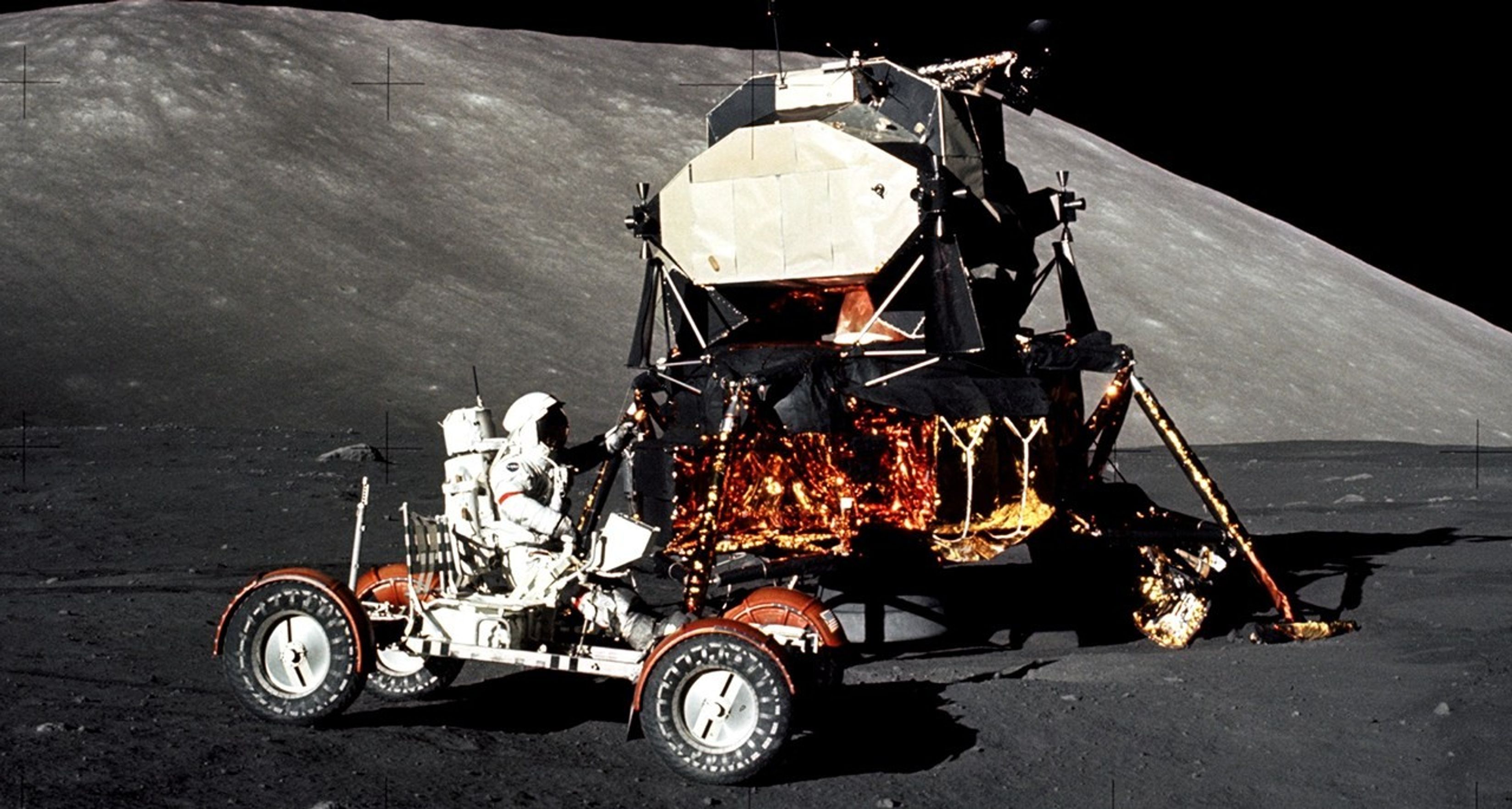
At 13:24:59 Central Standard Time on December 19 1972, the Apollo 17 command module splashed down in the Pacific Ocean, about 350 nautical miles south-east of Samoa, concluding the last mission to the Moon.

During his career, Apollo 17’s commander, Eugene A. Cernan, logged 566 hours and 15 minutes in space, of which more than 73 hours were spent on the surface of the Moon. Cernan was the second American to have walked in space, and the last person to leave his footprints on the surface of the Moon.

The conclusion of the Apollo 17 journey marked not only the end of a mission, but the close of an era. Between 1969 and 1972, 12 astronauts walked on the Moon over the course of six separate landings.

Half a century later, Nasa is preparing to return under its Artemis programme. For the Artemis II mission, set to launch on April 1 2026, four astronauts will travel in a loop around the Moon in Nasa’s next-generation Orion crew capsule.

More than 50 years is a long gap, and it is only natural to ask if Americans could reach the Moon routinely in the early 1970s, why did it take so long for them to try to go back?

The Apollo 17 mission in 1972 marks the last time humans set foot on the Moon. Nasa

The answer is not simple. It has little to do with technology and much more with how politics, money and global support work. The place to start is with Apollo itself: its model of exploration was not built to last, and was clearly not sustainable.

On May 25 1961, before a joint session of Congress, President John F. Kennedy committed the US to the goal, before the decade was out, of landing a man on the Moon and returning him safely to the Earth.

After Kennedy’s assassination in 1963, President Lyndon B. Johnson ensured that this Moon landing goal was met. But rising costs from the Vietnam war and domestic reforms reduced his appetite for further space investment.

John F Kennedy’s speech at Rice University in 1962 reaffirmed America’s commitment to landing on the Moon. JFK Library

In fact, Nasa’s budget peaked in 1966 and began falling even before Apollo’s success, undermining prospects for sustained exploration. Further funding was declined, planned missions were cancelled, and Apollo ended in 1972 – not because it failed, but because it had accomplished its task.

Sustainable exploration (in space as on Earth) requires stable political commitment, predictable funding, and a clear long-term purpose. After Apollo, the US struggled to maintain all three at once.

Policymakers began to ask what direction Nasa should take next. In 1972, President Richard Nixon directed the space agency to begin building the space shuttle. It would lead Nasa to shift its focus away from deep space exploration towards operations in low-Earth orbit.

‘Space truck’: the shuttle was marketed as providing affordable access to low-Earth orbit. The reality was somewhat different. Nasa

Marketed as a reusable “space truck”, the space shuttle was intended to make orbital access routine and affordable. However, it would turn out to be a vehicle of incredible complexity, marred by technical failures and human tragedies – the Challenger and Columbia accidents in which 14 astronauts’ lives were lost.

Eight years into the shuttle programme, some in the space community believed it was time for the US to once again set its sights on the Moon – and the tantalising prospect of a landing on Mars. On July 20 1989, the 20th anniversary of Apollo 11’s first Moon landing, President George H.W. Bush announced the Space Exploration Initiative (SEI).

The plan aimed for a long-term commitment to construct Space Station Freedom, return astronauts to the Moon “to stay”, and finally send humans to the red planet.

However, the high estimated costs of SEI, reaching hundreds of billions of dollars, led to its downfall. Weak support in Congress along with other factors led to its cancellation under Bill Clinton’s presidential administration.

The ISS became a symbol of scientific cooperation, but consumed resources that might have been used for deep space exploration. Nasa

During the 1990s, the International Space Station (ISS) project cemented low-Earth orbit as the priority for human exploration. The space shuttle was the US’s means of building the station and transporting crews to and from the orbiting outpost.

The ISS became a symbol of scientific cooperation and technical prowess. Experiments carried out on the station generated valuable insights into everything from medical research to materials science. However, it also soaked up resources that might otherwise have supported deep-space exploration.

The Columbia disaster in 2003 – in which a space shuttle broke up over Texas with the loss of its crew – led to another rethink of America’s direction in space. As a result, President George W. Bush announced the Vision for Space Exploration.

The aim of this proposal, which would give rise to what was known as the Constellation programme, was to rebuild Nasa’s capability for reaching the Moon, with Mars as its longer-term goal. But independent reviews warned that costs and schedules were unrealistic. Congress never really gave full financial support to Constellation, leading to its cancellation in 2010 during Barack Obama’s presidency.

This repeated cycle of cancelled space projects exposes some inherent limitations to the system for funding lunar exploration. A sustainable Moon programme needs strong multi-sector commitment, and mechanisms in place for guaranteed multi-decade funding.

Constellation would have sent astronauts to the lunar surface on a lander called Altair. Nasa

But such large programmes must compete each year with defence, healthcare and social spending. Electoral turnover and shifting committee leadership in the US further weaken the prospect of continuity.

Lunar exploration has also suffered from an unresolved strategic question: why go back at all? Apollo’s purpose was largely geopolitical, and after the cold war no equally compelling justification really emerged.

Scientific returns from human space missions are limited compared with robotic exploration. Commercial prospects remain uncertain, and prestige alone rarely sustains or secures large budgets.

Maybe a more fitting question is: why does Artemis appear to have escaped the pattern? Well, Nasa argues that sending astronauts back to the lunar surface – and in particular, establishing a sustained presence there – will help researchers learn “how to live and work on another world as we prepare for human missions to Mars”. That is true, up to a point.

Nasa also emphasises that Artemis will be built through commercial partnerships and international cooperation, creating the first long-term human foothold on the Moon.

With Artemis, has Nasa finally found a rationale to maintain a more enduring presence on the Moon? Nasa

The programme seems to sit at a carefully crafted intersection of US government leadership, commercial launch capabilities, and a broad coalition of international partners brought together under the Artemis Accords. The accords are a set of common principles regarding the use of the Moon and other targets in outer space, agreed between the US and other countries.

The main difference from previous promises to return to the Moon is that this, at least in theory, spreads risk and widens the base of political support. In practice, though, Artemis remains costly and exposed to shifting budgets and priorities.

There is also a cultural dimension to this question. Apollo created a powerful – albeit fragile – myth of swift, heroic technological advance. Artemis is building its large technological base in societies and democratic contexts where investments and commitments tend to evolve slowly, shaped by negotiation, compromise and competing interests.

If Artemis succeeds, it will be because all the political, economic, societal and scientific incentives have finally aligned in a durable way. But until that alignment is proven, the 50-year gap between Apollo and Artemis is less an engineering puzzle than a reminder of how difficult sustained exploration is for modern democracies.

ref. Why has it taken so long to return to the Moon? – https://theconversation.com/why-has-it-taken-so-long-to-return-to-the-moon-274640

Evening Report: https://eveningreport.nz/2026/04/01/why-has-it-taken-so-long-to-return-to-the-moon-274640/

Peaky Blinders The Immortal Man: why mythic figures like Tommy Shelby continue to captivate us

Source: The Conversation (Au and NZ) – By Adriana Marin, Lecturer in International Relations, Coventry University

Tommy Shelby returns in Netflix’s new Peaky Blinders film, The Immortal Man, a figure defined by control, composure and calculated violence. He navigates risk, trauma and conflict with an almost unnatural endurance. No matter the pressure, he adapts, survives and remains in charge.

The Immortal Man follows Shelby as he navigates a tightening web of political intrigue and criminal threats beyond Birmingham, forced to operate at a higher, more dangerous level while struggling to maintain control. As power shifts and new alliances form, he is pushed into more dangerous territory, balancing strategy, loyalty and survival, while his past continues to shape his decisions.

Irish actor Cillian Murphy delivers a masterful performance, capturing Shelby’s authority while hinting at the strain beneath the surface.

As the film’s title suggests, Shelby reflects a broader cultural archetype: the “immortal man”. He is not literally invincible, but rather resilient – a character who absorbs damage without collapsing, who endures where others fall apart.

This figure appears consistently in crime drama – Vito and Michael Corleone in The Godfather, Jimmy Conway in Goodfellas, Tony Soprano in The Sopranos – and its popularity reveals something important about how we understand crime, masculinity and power.

Criminology has long challenged the idea that criminal figures are inherently irrational or chaotic. The “enterprise model” of organised crime reframes criminal activity as structured, profit-driven and responsive to market conditions.

From this perspective, participants resemble entrepreneurs operating within illicit economies rather than criminals. Tommy Shelby fits this model closely. His actions are calculated, with violence deployed as a means to an end rather than an impulse.

The emphasis falls on strategy, recognising opportunity, managing risk and consolidating power in ways that echo legitimate business practices. This framing shifts crime away from images of chaos and unpredictability, presenting it instead as controlled and methodical. Yet rationality alone is not enough to account for his appeal.

[embedded content]

Masculinity, control and contradiction

Cultural criminology, particularly the work of Jeff Ferrell, draws attention to the symbolic and emotional dimensions of crime. It is not only about material gain, it is also about identity, meaning and representation. Shelby is not just an economic figure but a cultural performer. His authority is constructed through style, symbolism and reputation.

Control, in this sense, is not only exercised but communicated: his presence, speech and appearance are tightly managed, projecting authority through restraint as much as action. This stylisation makes organised crime seem structured and, for some audiences, appealing. The “immortal man” is therefore not just a survivor, but a figure who appears to master both his environment and himself.

This performance of control is inseparable from masculinity. Sociologist R.W. Connell’s concept of “hegemonic masculinity” (the dominant form of masculinity in society that shapes expectations of how men should behave) helps explain Shelby’s appeal.

He embodies authority, emotional restraint and the capacity to command. He leads decisively, conceals vulnerability and maintains dominance across different spheres of life. Yet what makes the character compelling is the tension within this model. Shelby’s authority is shaped by trauma – war, loss and psychological strain.

He aligns with the ideals of dominance while simultaneously revealing their cost. The “immortal man” is defined not by being invincible, but by his ability to endure and keep going under pressure.

In this sense, masculinity is not just power, but the ability to maintain control while carrying internal damage. Shelby intensifies this model, presenting a form of dominant masculinity rooted in survival, where dominance is sustained through emotional containment rather than the absence of vulnerability.

This tension reinforces a familiar expectation: that masculinity is proven through resilience without visible collapse. At the same time, it adds complexity, presenting strength and fragility as intertwined rather than oppositional.

In The Godfather both Michael Corleone and his father Vito exhibit the same tight control in terms of their own emotions and the people around them. Pictorial Press / Alamy

Sociologist Robert Merton’s strain theory suggests that when access to legitimate success is limited, individuals adapt by pursuing alternative routes.

Shelby’s trajectory reflects this logic. He does not reject the pursuit of wealth, status or influence, but he reworks the means of achieving them. Organised crime becomes a rational response to constraint, blurring the boundary between legitimate and illegitimate enterprise.

This is what gives the figure such resonance. Shelby appears to overcome structural limits while maintaining control, offering a version of success that feels both transgressive and recognisable. His appeal lies not only in what he achieves, but in how he achieves it: with certainty, authority and self-possession in contexts where those qualities feel increasingly scarce.

The endurance of this figure reflects wider cultural anxieties. In periods of instability, characters who impose order and act decisively become especially attractive. At the same time, as traditional models of masculinity are questioned, the “immortal man” offers a reassertion of clarity: an identity grounded in independence and dominance.

Shelby represents more than a criminal figure. He becomes a cultural response to uncertainty, embodying a form of masculinity and authority that promises control, even as it quietly reveals the strain required to sustain it.

Rethinking the ‘immortal man’

The issue is not that audiences engage with these narratives, but that their underlying assumptions often go unexamined. The “immortal man” ties together masculinity, power and violence in ways that appear natural but are, in fact, constructed. Authority is best demonstrated through domination, that emotional restraint is a marker of strength, and that success justifies the means by which it is achieved.

These associations are reinforced through repetition. Criminological research offers a more complex picture. Organised crime is rarely as stable or controlled as it appears on screen. It is often characterised by volatility, exploitation and harm, frequently directed at the most vulnerable.

What figures like Shelby offer, then, is not a reflection of reality, but a compelling simplification of it, one that continues to resonate because it speaks to enduring questions about power, identity and control in uncertain times.

There is, ultimately, nothing immortal about men like Tommy Shelby. What endures instead is the narrative itself: a story that continues to resonate because it speaks to persistent anxieties about inequality, control and the limits of legitimate success.

ref. Peaky Blinders The Immortal Man: why mythic figures like Tommy Shelby continue to captivate us – https://theconversation.com/peaky-blinders-the-immortal-man-why-mythic-figures-like-tommy-shelby-continue-to-captivate-us-279417

Evening Report: https://eveningreport.nz/2026/04/01/peaky-blinders-the-immortal-man-why-mythic-figures-like-tommy-shelby-continue-to-captivate-us-279417/

I’m close to retirement age. What are my options for drawing on my super savings?

Source: The Conversation (Au and NZ) – By Di Johnson, Senior Lecturer, Finance and Financial Planning, Griffith University

Retiring well means making a series of decisions to ensure a financially secure post-work life. One practical step is to work out the income you need each week to survive and thrive when you stop working.

If you are one of the many Australians still working and growing your super, knowing more about tailored retirement income products might help to plan.

There are two main ways to use super savings in retirement:

  • through products that provide an income stream, and/or
  • through lump sums.

CC BY-NC

It’s easy to put off thinking about superannuation when retirement is years away. In this five-part series, we ask top experts to explain how to sort your super in a few simple steps, avoid greenwashing, and set goals for retirement.


Account-based pensions

The most common product for a retirement income stream in super is an account-based pension. These can be set up outside super, but there are advantages inside super. Around 80% of retired super fund members have one or more account-based pensions in super.

These products offer flexibility, control and continued exposure to investment markets. They allow retirees to convert part, or all, of their super balance into an income stream while keeping an allocated sum invested.

More than one can be set up, at different times, and with different investment choices, so your investment balance keeps growing while providing income in the short-term. Retirees can choose how much they withdraw, as long as they meet the government’s minimum withdrawal requirements.

Arguably, the greatest advantage of an account-based pension within super is its tax effectiveness compared to investments outside super. Once a super member is fully retired, both the investment earnings and income drawn from an account-based pension in super is tax-free.

One of the disadvantages of account-based pensions in super is that the age-based minimum drawdown rates might not suit your investment timing or income preferences. Investment returns are not guaranteed, and you don’t know how many years of income will be needed.

If you die before the funds are fully drawn, however, your beneficiary can receive the remaining money.

One or more retirement products can provide steady income for retirees. Greta Hoffman, Pexels

Another option for regular income: annuities

Retirees can also use their super to buy another type of income product called an annuity. There are a few main types of annuities and you can choose if you want the income payments:

  • guaranteed over a fixed period of time
  • investment-linked over a fixed period or for life, or
  • guaranteed for the rest of your life, typically adjusted for inflation.

The cost of the annuity will vary depending on these factors. Annuities provide more certainty both in the payments and timeframe for income, regardless of investment market performance.

In Australia, fewer than 5% of super member accounts are annuities. But that may be changing, as more retirees realise the advantages of including an annuity in their super income planning.

Annuities can be bought using super or non-super money, but using super has the advantage of tax-free earnings and income.

In addition, for age pension eligibility, Centrelink only takes into consideration 60% of the value of a lifetime annuity compared to 100% of an account-based pension. This favourable treatment means your super savings can last longer, because your retirement income will be supplemented with more age pension.

On the downside, annuities have less flexibility. Once you have committed a lump sum of super to purchase the annuity, you cannot convert that back into a lump sum.

The income from annuity returns may also not be as high as in an account-based pension, because there is a trade-off between investment returns and guaranteed income.

Choosing the right mix for your circumstances

Retirees may benefit from a retirement income strategy that includes a combination of account-based pensions and annuities, depending on their personal needs and circumstances.

Once aged 67, retirees will also be eligible for the age pension, within asset or income limits. More than 60% of retirees receive at least some age pension, around 40% as their main income.

There is a maximum amount that can be transferred to pension phase within super, regardless of whether you choose an account-based pension or annuity, or a combination. That cap currently sits at A$2 million.

What about lump sums?

Once a super fund member reaches preservation age, usually age 60, and ceases at least one job, they may be able to access some or all their super as a lump sum. Alternatively, a member can access some or all their super as a lump sum when they turn 65, regardless of their employment.

With more people heading into retirement with mortgages, lump sums can be used to pay down debt, or for home repairs, holidays or even gifting.

How the lump sum is used may affect your age pension. In 2025, the average lump sum taken out by newly retired members was around $58,000.

While income stream products have a range of advantages within super, taking at least some super as a lump sum is common, even later in retirement. More than $71 billion was paid out in lump sums from superannuation in 2025 across 2.26 million member accounts.

Advice can help

Getting advice on coordinating super income streams and age pension entitlements can make a big difference to maximising your income while managing risk. Licensed financial advisers are in high demand, either within or outside your super fund.

Super funds can provide a range of valuable information, calculators and support. Other online tools are also available that can help with retirement income planning, including taking age pension eligibility into account.

Disclaimer: This article provides general information only and is not intended as financial advice.

ref. I’m close to retirement age. What are my options for drawing on my super savings? – https://theconversation.com/im-close-to-retirement-age-what-are-my-options-for-drawing-on-my-super-savings-276377

Evening Report: https://eveningreport.nz/2026/04/01/im-close-to-retirement-age-what-are-my-options-for-drawing-on-my-super-savings-276377/

How Taiwan is viewing the Iran war – and what it reveals about US credibility

Source: The Conversation (Au and NZ) – By Bonnie Yushih Liao, Assistant Professor of Diplomacy & International Relations, Tamkang University

The United States and Israeli strikes on Iran have become increasingly concerning for the world due to the risks of further escalation and the impact on energy markets.

In Taiwan, however, the focus has shifted in a different direction.

Rather than treating the war as geographically distant, Taiwanese political leaders and analysts are viewing it as a real-time indicator of how the United States operates under strategic pressure.

The key question is less about whether the United States would act if a conflict with China were to break out in the Indo-Pacific region, and more about how it would manage competing pressures if multiple crises unfolded at once.

A test of limits, not intentions

There is growing recognition in Taiwan that US resources are not unlimited.

The Middle East war has caused energy prices to fluctuate and stoked fears of rising inflation in the United States, demonstrating the domestic costs of military operations.

US President Donald Trump’s approval ratings have also taken a hit, with some in his own party now questioning his rationale for going to war.

Some reports have indicated US supplies of interceptor missiles are running low. The US military has, for example, had to move some THAAD missile interceptors from South Korea to the Middle East. The US has also struggled to defend against Iran’s use of asymmetrical fighting tactics.

This has direct implications for the deterrence Washington has long maintained in the Indo-Pacific. This deterrence depends not only on US war-fighting capability, but on the expectation this capability will remain intact under strain.

Conflicts elsewhere may not weaken the US resolve to intervene if China were to invade or pressure Taiwan in some fashion. But they can drain American resources and influence where these items are prioritised.

Shifting thresholds for the use of force

The US has also framed its strikes on Iran as a “preventive” action aimed at mitigating a future threat rather than responding to an imminent attack. This raises broader questions about the changing threshold for the use of force in the Indo-Pacific.

For Taiwan, this is not an abstract notion. If the threshold for military action is lowered from imminent threat to potential risk, the strategic environment becomes less predictable in the Indo-Pacific.

This broadens the range of circumstances under which force by the United States may be justified.

The speed with which the Trump administration has acted in Iran has also increased uncertainty for regional partners like Japan and South Korea in assessing when and how the United States would act against China.

The US’ NATO partners weren’t told about the Iran strikes before they happened. This could make Japan and South Korea similarly worried about a lack of communication on potential US actions over Taiwan.

South Korean protesters rallying against the US and Israel attacks on Iran in Seoul on March 24. Ahn Young-joon/AP

Wars rarely follow anticipated pathways

The Iran war has also raised broader questions about how the United States adapts as crises evolve.

Much of the discussion around Taiwan has traditionally centred on the possibility of a large-scale Chinese invasion. However, recent developments suggest escalation may be less linear than this.

Rather than following a single, predictable pathway, conflicts can develop through a sequence of smaller decisions, the ambiguity over signals sent by an adversary, or rapidly changing political conditions.

This has contributed to a shift in strategic discussion in Taiwan. Recent defence policy debates and security forums have increasingly examined scenarios in which China pressured Taiwan with grey-zone tactics, blockades and incremental escalatory moves, rather than focusing solely on full-scale invasion.

As a result, attention is shifting to how such pressure might build over time – through cyber operations, maritime restrictions or limited military actions – and possibly spiral out of control.

The current crisis in the Strait of Hormuz has been watched closely in Taiwan as an example of how disruption of a strategic chokepoint can quickly impact the world. This raises questions about whether similar dynamics could emerge in the Taiwan Strait, and how prepared external actors – including the US – would be to respond.

The US has also been unable to prevent the Iran war from spilling over into the Persian Gulf states. This raises questions about whether a war over Taiwan could be contained or produce wider regional effects.

The USS Antietam (CG-54) conducting operations in the Taiwan Strait in August 2022. US Navy handout/EPA

The risk of misinterpretation

For Taiwan, the most immediate challenge comes from how China interprets US actions in Iran. If Beijing concludes that diminishing military resources or domestic pressures would limit the US’ ability to wage a sustained conflict in the Indo-Pacific, it may reassess the risks of applying coercive pressure on Taiwan.

This does not imply immediate conflict is likely over Taiwan. However, it increases the likelihood that China would try to pressure or coerce Taiwan just below the threshold of full-scale war.

History suggests that escalation is often shaped by how situations are interpreted by adversaries, rather than by clear shifts in power. When states believe conditions are more favourable than they actually are, the risk of misjudgement increases.

For Taiwan, the challenge is therefore not only to assess developments in the Middle East, but to ensure that its own position is not misunderstood. This involves:

  • maintaining credible defensive capabilities
  • reinforcing internal cohesion against possible threats
  • signalling clearly that any attempt at coercion would face robust resistance.

Deterrence depends not only on what a country can do, but what others believe it will do — and whether those beliefs discourage risk-taking.

ref. How Taiwan is viewing the Iran war – and what it reveals about US credibility – https://theconversation.com/how-taiwan-is-viewing-the-iran-war-and-what-it-reveals-about-us-credibility-279102

Evening Report: https://eveningreport.nz/2026/04/01/how-taiwan-is-viewing-the-iran-war-and-what-it-reveals-about-us-credibility-279102/

Will medicinal cannabis help my mental health? Here are the evidence and the risks

Source: The Conversation (Au and NZ) – By Suzanne Nielsen, Professor and Deputy Director, Monash Addiction Research Centre, Monash University

Anxiety, depression and post-traumatic stress disorder (PTSD) are among the most common mental health conditions for which Australians are prescribed medicinal cannabis.

Most prescriptions for mental health conditions, and for other conditions more broadly, are for products containing higher levels of THC (tetrahydrocannabinol). This is the part of cannabis that causes a “high” and can affect thinking and mood.

Many of these prescriptions are for inhaled products, such as dried leaf or flower that people smoke or inhale.

This pattern of use – of inhaled, higher-THC content for mental health conditions – appears to be partly driven by prescribing trends among 18 to 44-year-old men.

For anxiety alone, there are almost three times more approvals for the products containing the highest levels of THC than for products containing only CBD (cannabidiol).

But this prescribing pattern doesn’t line up with the best available research. Most higher-quality clinical trials for anxiety have tested CBD-based products, not THC.

This is just one example of how Australians are using medicinal cannabis to treat mental health conditions without the best available evidence to back it.

Let’s start with anxiety

Anxiety is the most common mental health reason people seek medicinal cannabis in Australia.

There is emerging evidence CBD may help some people with anxiety, but the findings are inconsistent.

The largest and most comprehensive systematic review on medicinal cannabis and mental health found it did not meaningfully improve anxiety symptoms. The authors said we still need larger, high-quality trials, and studies that reflect how people use medicinal cannabis in the real world.

Evidence for THC is even more mixed. In our previous article we described how some people find THC makes them feel calmer, but others say it worsens their anxiety. As few trials have investigated THC for anxiety, it is hard to draw firm conclusions.


CC BY-NC

Medicinal cannabis prescriptions have skyrocketed in Australia, mostly for legal but unapproved products we don’t even know work or are safe. In this series, experts tease out what’s fuelling the rise of medicinal cannabis, the fallout, and what needs to happen next.


How about PTSD?

The evidence so far for using medicinal cannabis to treat PTSD is limited.

While some people report benefit, the findings from the small number of high-quality randomised controlled trials (the gold standard for medical evidence) are mixed.

In one very small study, only five people completed the entire protocol. This tested vaporised cannabis containing either a combination of 10% THC and 10% CBD, or a product with mainly 10% THC.

Both products appeared to improve PTSD symptoms in the short term, but the trial had trouble recruiting participants. A larger study would be needed to know if the results are reliable.

Another trial tested smoked cannabis with three strengths: 12% THC, one mainly containing CBD, and one with equal amounts of THC and CBD. There was no change in the severity of PTSD symptoms for any of the products compared to placebo. Smoking cannabis, including medicinal cannabis, is also not recommended because of its well known harms.

The limited and uncertain evidence is one reason the Department of Veterans’ Affairs has decided not to fund medicinal cannabis to treat mental health conditions, including PTSD.

What about depression?

There is even less high-quality evidence for using medicinal cannabis to treat depression. A recent systematic review found no relevant randomised controlled trials.

A small pilot study tested 150–300 milligrams a day of CBD alongside standard treatment for bipolar depression. CBD was well tolerated, meaning it didn’t cause serious side effects, but it didn’t help symptoms.

Studies for different types of depression are mixed. Some show possible benefits but also unfavourable effects including worse symptoms or acute mental health effects such as psychosis, suicidal thoughts or anxiety. It is also unclear whether unfavourable effects are due to the product or underlying mental health condition.

Is medicinal cannabis safe?

Emerging evidence shows psychosis has been reported among people using medicinal cannabis containing higher levels of THC.

Australia’s medicines regulator, the Therapeutic Goods Administration (or TGA) says products containing THC are generally not appropriate for people who have a personal or family history of psychosis or schizophrenia. This caution also extends to people with past or current mood or anxiety disorders.

This is largely because THC can worsen or trigger symptoms in people who are already vulnerable to these conditions.

Why the increased risk?

Is this due to the THC or were these people already at higher risk? It’s likely a mix of both.

Daily or near-daily cannabis use (which is common with medicinal use) is linked to a higher risk of psychosis, or it may contribute to developing it.

Young people may be particularly vulnerable to side effects after taking medicinal cannabis (and cannabis in general) for mental health conditions as their brains are still developing.

Other research shows higher-strength THC products appear to carry higher mental health risks for everyone. People who use frequently, or for long periods, are at further risk.

So the emerging picture is that the product used, how it is used, and the person matter and can influence health outcomes. Higher THC products raise risks across the board, but those risks are increased in people who start young, use often, or continue long term.

What happens when I stop taking it?

Some people whose mental health symptoms increase when they stop taking medicinal cannabis see that as evidence their medicine was working. But that’s not necessarily the case. They could be experiencing withdrawal from cannabis.

Many people who use cannabis (medicinal or otherwise) experience a rebound in symptoms – such as anxiety or sleep difficulties – when they stop. This can feel very similar to the symptoms that prompted them to seek treatment.

We also know around one in three or four people who use cannabis medically will develop cannabis dependence and are likely to experience withdrawal symptoms if they stop using it suddenly.

So, cannabis withdrawal may be more common than people realise, and may well explain symptoms that emerge when someone stops taking it.

How do I know what is right for me?

Many studies that look at whether medicinal cannabis could help different mental health conditions are low quality or have conflicting findings. So the evidence is not yet strong enough to recommend it as the best treatment for any mental health condition.

So talk to your trusted, regular medical professional to help you weigh up the potential benefits and risks of medicinal cannabis, especially if you have a history of mental health concerns.

Given the mixed evidence and the TGA’s cautions, it’s really important to seek personalised medical advice.


If you or someone you know is struggling with anxiety, mood changes, or any mental health concerns – whether or not these relate to cannabis use – the following support is available: Beyond Blue (24/7 support): 1300 22 4636 and Lifeline (crisis support): 13 11 14.

ref. Will medicinal cannabis help my mental health? Here are the evidence and the risks – https://theconversation.com/will-medicinal-cannabis-help-my-mental-health-here-are-the-evidence-and-the-risks-271196

Evening Report: https://eveningreport.nz/2026/04/01/will-medicinal-cannabis-help-my-mental-health-here-are-the-evidence-and-the-risks-271196/

From spaghetti harvests to fake news: why the glory days of April Fools gags are over

Source: The Conversation (Au and NZ) – By Phoebe Hart, Associate Professor, Film Screen & Animation, Queensland University of Technology

April Fools’ Day is a funny one. Developed over centuries, it’s a tradition that gives people the permission to prank. Some leg-pulls are delightful – while others can cause distress and damage, especially if they’re rolled out on a large scale.

There’s a fine line between jokes that charm and those that harm. This overstep, especially in regard to the media and politics, warrants close attention.

A cheeky pasta prank

Historians conjecture the mischief most likely began in earnest in the 1500s in France, when the Julian calendar – which started the year on April 1 – was replaced by the Gregorian calendar we use today.

But not everyone got the memo; those who continued to celebrate the new year on April 1 were branded “April fools”, and were often sent on fools’ errands. Some examples, according to folklorist Nancy Cassell McEntire, include being sent for:

a left-handed screwdriver or wrench, a board-stretcher, a stick with one end, a bucket of striped paint, a bucket of steam, pigeon milk, a jar of elbow grease […] or a fallopian tube.

There was often a subversive edge to the hoaxes, which grew in scale over time.

Fast forward to the 20th century and the advent of broadcast media. Industry and governments began to hold advertisers, television and journalists accountable for dishonesty and deception.

Even so, respectable media organisations joined in on the condoned capers offered by April Fools’ Day. The BBC was famous for its ornate hoaxes, which borrowed the conventions of conventional reportage to pull the wool over viewers’ eyes.

One classic example was the “spaghetti harvest” segment broadcast on the channel’s current affairs show, Panorama, in 1957. The three-minute bit claimed to show Swiss farmers plucking pasta directly from trees.

It’s thought to be the first April Fools prank ever pulled on TV.

[embedded content]

When the Opera House was sinking

In Australia, institutions such as the Australian Broadcasting Commission (now Corporation) also began a lighthearted tradition of fooling the public on the first day of April.

The ABC’s flagship current affairs program, This Day Tonight (1967–78), reported on serious issues every other night of the year (although it also ran satirical content).

But in 1970, the April 1 program included a fishy report on a new invention called the “Dial-O-Fish” – a device guaranteed to aid even the most inept angler.

A few April Fools’ later came the bogus story on how the iconic Sydney Opera House, which opened in 1973, was sinking into the harbour. There were shots of divers inspecting the foundations underwater; it was convincing.

Then, in 1975, the program announced Australia would soon be converting to “metric time” following on from the introduction of metric currency in 1966. According to an ABC report, “under the new system there would be 100 seconds to the minute, 100 minutes to the hour, and 20-hour days”.

The segment featured shots of Adelaide Town Hall with a new ten-hour clockface. South Australian Deputy Premier Des Corcoran took part in the prank by heartily supporting the change on camera.

Audiences were divided. Many called the station. Some were amused, while others upset. More than a few were confused.

Importantly, these jokes were psychologically benign – and the reveal came quickly before any real damage was done.

Routine April Fools’ Day ruses still occur on television breakfast shows, commercial radio and in advertising – but news broadcasters walk a trickier tightrope.

No longer laughing along

The key difference before and after the digital revolution is how production, platforms and audiences have transformed.

Broadcast news audiences used to be large and trusting. Millions gathered in front of television and radio sets every evening and believed most of what they saw and heard.

Now, when everyone and anyone has the means to film and publish a story on their mobile phone, audiences are fractured and suspicious. News is suffering a crisis of confidence in an era of misinformation, and many in the industry are loath to do anything that might instil more distrust among the public.

Moreover, attention is a scarce commodity on social media, where information is delivered with less context. Short video clips, deep fakes and fake news jostle for space – and all too often, April Fools’ jests backfire.

Last year, Australian-born British ITV presenter Georgina Burnett made a social media post pretending to be pregnant as an April Fools’ prank. Instead of generating excitement, she ended up offending a lot of people – including people struggling to start a family.

On the same day, Queensland politician Ryan Murphy’s misjudged post claimed Brisbane City Council had annexed the neighbouring shire of Redlands.

The language was official – alluding to Donald Trump’s proposed annexation of Greenland. And the reaction to the post was harsh and swift; the good folks of Redlands didn’t like the idea of paying higher rates, nor being governed by another wealthier city.

Pranks in a post-truth world

Jests about personal sovereignty and safety never seem to land well, especially when issued from a source of authority. Gone are the days of the Aussie larrikin who could transgress without a care.

In the past, most forgave this (usually white, male) character when others become targets of his hazing.

Today, onlookers are digitally-savvy. They are aware they’re living in a world with entrenched inequality, scammers and bad actors, immoral leaders and elites, and corruptible institutions. No wonder we’re quicker to denounce lies and insensitivity.

ref. From spaghetti harvests to fake news: why the glory days of April Fools gags are over – https://theconversation.com/from-spaghetti-harvests-to-fake-news-why-the-glory-days-of-april-fools-gags-are-over-279331

Evening Report: https://eveningreport.nz/2026/04/01/from-spaghetti-harvests-to-fake-news-why-the-glory-days-of-april-fools-gags-are-over-279331/

Cutting fuel excise is a sugar hit – we need a plan to slash dependence on imports

Source: The Conversation (Au and NZ) – By Hussein Dia, Professor of Transport Technology and Sustainability, Swinburne University of Technology

As fuel prices spike, many Australians are understandably anxious. Photos of empty bowsers, long queues, and high prices create the impression of a system under strain.

What we are seeing isn’t a collapse of Australia’s fuel supply chain. Shipments are still arriving and most deliveries continue as planned. While some cargoes have been disrupted, governments and industry have actively secured alternative supplies. What this crisis shows is the lack of a clear, long-term strategy to reduce dependence on fuel shipped from conflict zones thousands of kilometres away.

Because Australia is so reliant on trucks running on imported fuel, rising diesel costs are now flowing through the economy and pushing up the cost of freight, food and everyday goods.

The federal government has moved to underwrite fuel imports, relax fuel standards and tap reserves. The government has also flagged the possible need to ration fuel if supplies keep shrinking in its new fuel security plan.

These are sensible responses to a disruption more complex and potentially longer-lasting than first thought. But they are not a long-term plan to end reliance on importing fuel in a very uncertain world.

[embedded content]
Victoria makes public transport free as fuel prices climb.

No unifying strategy

Australia’s plans for the future of transport include a national electric vehicle strategy and the New Vehicle Efficiency Standard.

These steps are necessary. The problem is, they tend to exist in silos. There’s no clear roadmap aimed at a practical outcome: reducing dependence on imported fuels and strengthening our long-term energy security as part of the transition to net zero.

Electrification at scale

Every kilometre travelled using electricity is one that didn’t depend on a tanker arriving from overseas. Unlike oil, renewable energy is not exposed to global supply disruptions in the same way.

Electric vehicles aren’t just a question of consumer choice. Electrifying transport is a full system transition.

Waiting for households to gradually switch to electric cars will be slow. Working to electrify high-impact segments such as urban freight, commercial fleets, buses and government vehicles will be much faster. Over time, this should reduce the hundreds of tanker shipments needed to keep the country moving each year.

Fastest response? Reduce demand

The quickest way to cut fuel dependence is to reduce how often we drive.

Around the world, governments and businesses are already encouraging reduced travel, flexible work and more efficient use of transport.

These temporary measures should become a core part of long-term strategy, as they can deliver immediate and lasting reductions in fuel use at very low cost.

Public transport as resilience

Every trip taken by train, tram or bus reduces demand for imported fuel. The same applies to walking, cycling and micromobility options, such as electric bikes or scooters.

Victoria and Tasmania have moved to make public transport free – and reduce demand for fuel.

If Australia had an integrated transport system in which public transport, cycling and other alternatives get a boost, it would give people viable alternatives when driving becomes more expensive or difficult.

Rethinking fuel reserves

The International Energy Agency requires member countries to hold 90 days of fuel reserves. Australia has long struggled to meet that benchmark.

Decades of economic stability left Australia underprepared for fuel security challenges. Australia has long relied on continuous global supply of fuel, stocks held by the private sector and relatively lean inventories. While efficient under normal conditions, this system has little buffer when supply becomes uncertain.

To boost fuel security, authorities should expand onshore storage, diversify import pathways, and strengthen distribution networks so fuel can reach crucial regional sectors and communities when supply is disrupted.

Policy coherence matters

Even as Australia’s power grid runs more and more on renewables, policymakers continue to approve more and more investment in fossil fuels.

With one foot in each camp, it’s hard to have a coordinated strategy to shift rapidly to forms of transport that don’t rely on long fuel supply chains.

Policy discussions around reducing incentives for EVs and introducing distance-based road user charges for EV drivers risk sending mixed signals to consumers and industry.

A credible transition to a new technology requires a clear sequence: first, give incentives and support, and move to pricing reform only once the adoption trend is established.

Avoiding ‘quick fixes’

In every energy crisis, bad ideas come back from the dead.

The move to temporarily halve the fuel excise is one such idea.

The move will lower petrol and diesel prices by around 26 cents per litre. While this provides short-term relief, it also weakens the price signal. Making fuel cheaper will simply encourage people to use more of it – a bad idea in a supply crunch.

Economists are warning the move could push fuel consumption higher and prolong inflationary pressures.

[embedded content]
The temporary fuel excise cut will provide short-term relief but does little to shield households from ongoing volatility in global oil markets.

Other countries are already reducing fuel dependence

China has linked industrial policy, renewable energy and EV deployment into a coordinated transition, demonstrating how scale and coordination can reduce reliance on imported fuels.

Singapore has taken a whole-of-system approach, linking energy, transport, land use and infrastructure into a coordinated transition to reduce emissions, manage demand and limit reliance on fossil fuels.

Japan maintains large fuel reserves well beyond minimum requirements, equivalent to 254 days of domestic consumption.

None of these models is perfect. But they show reducing fuel dependence is a matter of economic resilience and national security, not just environmental policy.

A moment to reset

The modern world has long been built on oil. This crisis shows how fragile that system is.

Despite widespread fears, Australia isn’t running out of fuel. But even this tightening of supply shows how quickly global disruptions can affect us. Short-term interventions won’t be enough, while sugar hits such as cutting fuel excise will have the opposite effect.

Policymakers should use the crisis to build a transport system less exposed to less reliable supply chains, built on locally produced electricity and aligned with a low-carbon future.

ref. Cutting fuel excise is a sugar hit – we need a plan to slash dependence on imports – https://theconversation.com/cutting-fuel-excise-is-a-sugar-hit-we-need-a-plan-to-slash-dependence-on-imports-279556

Evening Report: https://eveningreport.nz/2026/04/01/cutting-fuel-excise-is-a-sugar-hit-we-need-a-plan-to-slash-dependence-on-imports-279556/

KiwiSaver payments have to rise – but earners shouldn’t be penalised if they can’t afford it

Source: The Conversation (Au and NZ) – By Aaron Gilbert, Professor of Finance, Auckland University of Technology

The 2020s haven’t exactly been a golden age for getting ahead.

First came COVID, when job security evaporated overnight. Then the cost-of-living crisis, when everyday expenses surged far faster than incomes. Now, global instability is pushing fuel prices higher again, squeezing household budgets even tighter.

For many New Zealanders, “getting ahead” has quietly become “just getting through”.

And when money gets tight, people make trade-offs: power bill or groceries, doctor’s appointments or school supplies, rent or savings. Today or tomorrow.

Which makes the latest change to KiwiSaver understandable but potentially problematic.

From April 1, default contributions rise from 3% to 3.5% for both employees and employers. On paper, this is a good move. At 3%, most people were never going to build a retirement balance that delivers anything close to financial security.

Contributions will rise again to 4% in 2028. But some observers have argued they need to rise to around 12%. Even at that level, others have said, four in ten people still won’t retire with enough.

So yes, we need higher contributions.

But here’s the problem: increasing contributions assumes people can afford to save more. Many can’t, which means KiwiSaver changes from an incentivised saving scheme to a financial penalty.

The flaw in the system

When KiwiSaver was introduced, policymakers made a deliberate design choice: employee contributions would be the key that unlocks the door to savings support.

If you don’t contribute, you don’t receive employer contributions or the government tax credit. We have created an all-or-nothing system.

On the face of it, that makes sense. Tie incentives to behaviour and people will make the “right” choice. But that logic was built in 2007 – a very different economic environment.

Back then, the challenge was convincing people to give up a little consumption today for a better future. A growing number of households face a very different choice today: save for the future or survive today.

Over 14% of New Zealand children live in households experiencing material hardship. On top of that, a significant proportion of struggling households are not traditionally “poor” – they are working, earning and still struggling.

These are the households KiwiSaver is quietly losing. And this creates perverse outcomes.

Those who can afford to stay in the system continue to receive employer and government support. Those under the most financial pressure are locked out entirely.

Take a household already stretched by the cost of rent, food and transport. A small increase in contributions – even half a percent – might be enough to tip the balance.

So, they take a savings suspension and their KiwiSaver contributions stop. In turn, this stops their employer contributions (effectively part of their total wage compensation) and their government contributions.

Investment service InvestNow looked at the cost of a one-year savings suspension for someone aged 35 earning NZ$80,000 per year. Thanks to the temporary suspension, they would reach retirement with $20,000 less in their fund.

That is not because they made a poor decision, it’s because they didn’t have a choice.

From nudging to punishing

New Zealand doesn’t need to penalise already financially struggling households.

Australia’s superannuation system does it differently. Employer contributions are compulsory (and higher than for KiwiSaver) and continue regardless of whether employees are themselves actively contributing. That means households continue to save for retirement even when under financial pressure.

But there is another, less obvious consequence of the KiwiSaver design. By tying employer contributions entirely to employee contributions, the scheme shifts risk away from firms and onto workers – and ultimately onto the state.

Employers benefit from a system where their retirement contribution obligations disappear the moment an employee is under financial pressure. In effect, the lower the financial resilience of the workforce, the lower the employer’s contribution costs.

This creates a longer-term problem. Workers unable to maintain contributions today are far more likely to reach retirement with inadequate savings – increasing future reliance on New Zealand Superannuation and other forms of public support.

In other words, part of the cost is simply being deferred. And when it arrives, it won’t be paid by firms. It will be paid by taxpayers.

There are simple ways the system could be made more flexible:

  • allow a minimum level of employer contributions to continue during savings suspensions

  • when employees opt to maintain default contributions at 3%, require employers to contribute 3.5% so that employees are still saving more

  • maintain some level of government contribution for households experiencing hardship

  • at the very least, create a category of suspensions where those genuinely struggling are not penalised for it.

Let’s consider our 35-year-old taking a one-year suspension who would currently have $20,000 less at retirement. If their government and employer contributions continued during that suspension, they would be down only $10,000 at retirement.

Over the population, that represents a substantial reduction in the harm financial hardship is likely to cause in retirement.

ref. KiwiSaver payments have to rise – but earners shouldn’t be penalised if they can’t afford it – https://theconversation.com/kiwisaver-payments-have-to-rise-but-earners-shouldnt-be-penalised-if-they-cant-afford-it-279327

Evening Report: https://eveningreport.nz/2026/04/01/kiwisaver-payments-have-to-rise-but-earners-shouldnt-be-penalised-if-they-cant-afford-it-279327/

Māori radio network says funding cuts threaten survival of iwi stations

By Pokere Paewai, RNZ Māori issues reporter

New Zealand’s national Māori radio network, Te Whakaruruhau o Ngā Reo Irirangi Māori o Aotearoa, is considering litigation over a potential loss of government funding which it says threatens the survivability of iwi radio stations.

Chairperson Peter-Lucas Jones (Ngāti Kahu, Te Rārawa, Ngāi Takoto, Te Aupōuri) — who was also chief executive of Far North iwi broadcaster Te Hiku Media — told current affairs series RUKU Māori radio was a right under Te Tiriti o Waitangi, not a government handout.

Recent and proposed actions targeting iwi stations, implemented primarily through Te Māngai Pāho (TMP), disregarded the treaty and exposed the Crown to credible legal risk, he said.

“This issue is not about resisting change, iwi radio stations have themselves funded transitions to digital platforms and new media without Crown support.

“The issue is whether the Crown can, through an intermediary, dismantle a treaty remedy without Māori consent.”

There are more than 20 iwi radio stations across New Zealand, from Te Hiku in the North to Tahu FM in the South.

Stations receive funding through Te Māngai Pāho to promote Māori language and culture.

Time-limited funding
TMP currently has $16 million of time-limited funding, equal to almost 25 percent of their total annual funding, which is due to expire on June 30.

Te Māngai Pāho said that while 2026/27 appropriations would not be confirmed until the Budget announcement in late May, the impact of this funding loss would be felt across the whole Māori media sector.

“Te Māngai Pāho is consulting with the Māori media sector, including iwi radio, on the future of our funding allocations. We have requested feedback to understand how any reduction of funding will be felt across the sector.

“Feedback will inform the board’s final decisions around funding allocations. We understand that the stability of iwi radio stations and content creators is threatened by this funding cut.”

Jones said iwi stations unanimously agreed at a special general meeting they would not accept any decrease in funding and would consider legal action in response to any cutbacks.

“Decisions taken by TMP that materially affect iwi radio funding, structure or autonomy remain Crown actions for treaty purposes.

“The Crown cannot discharge its Treaty obligations by delegation and then rely on that delegation to insulate itself from responsibility.”

Rapidly changing audience
The iwi radio network said it had been grappling with a wide range of issues including, rapidly changing audience expectation and emerging technologies, numerous siloed media outlets and an inadequate investment in workforce development affecting the ability to grow and retain a skilled workforce.

The Turituri – “be quiet” – sign at Wellington station Te Ūpoko o te Ika. Image: RNZ/Te Aniwa_Hurihanganui

Minister for Māori Development Tama Potaka said Māori media, including iwi radio, played a critical role in supporting te reo Māori revitalisation and connecting whānau and communities across Aotearoa, shaping public understanding by sharing Māori stories and te reo directly with whānau.

He said no final decisions had been made through the consultation between TMP and the Māori media sector and it was premature to confirm impacts on funding levels, services, or jobs, including claims about specific percentage reductions.

“Earlier financial support of $16 million in time-limited funding was put in place under the previous government and is now coming to an end. The current consultation process is focused on how best to manage that transition within existing funding,” he said.

“As Minister, I do not direct or intervene in Te Māngai Pāho’s operational funding decisions. Those are matters for the board.”

Potaka said the Crown’s role was to ensure a strong and sustainable system for te reo Māori revitalisation.

High quality content
“I expect the consultation process to reflect the importance of Iwi radio and the role it plays in communities across the country, while ensuring funding is used effectively to deliver high-quality content on platforms that meet audience preferences.

“Māori media entities continue to adapt to changes in funding and audience behaviour, and I expect decisions to prioritise value for money while supporting strong te reo Māori outcomes.

“Any organisation is entitled to raise concerns or seek legal advice. However, there is an established independent process underway, and it is important that process is allowed to run its course.”

This article is republished under a community partnership agreement with RNZ.

Article by AsiaPacificReport.nz

Evening Report: https://eveningreport.nz/2026/03/31/maori-radio-network-says-funding-cuts-threaten-survival-of-iwi-stations/

Albanese rejects push from Special Minister of State Don Farrell to expand size of parliament

Source: The Conversation (Au and NZ) – By Michelle Grattan, Professorial Fellow, University of Canberra

Prime Minister Anthony Albanese has quashed a push by his Special Minister of State Don Farrell to increase the size of the federal parliament.

Albanese was blunt in response to questioning from Opposition Leader Angus Taylor asking him to rule out an expansion.

He told parliament he was satisfied with the current number of 150 members of the House of Representatives and 12 senators from each state. He was also “very satisfied” with the current composition of the parliament.

He added: “I have been very privileged to have the best campaign director I have ever seen, Paul Erickson. If I was to say to him ‘we have 94 seats but how about we throw it all up in the air and see how it lands?’ I reckon Paul Erickson would have a pretty clear response.”

Farrell has asked the Joint Standing Committee on Electoral Matters to inquire into expanding the parliament.

The opposition seized on an answer Farrell gave at the National Press Club on Monday. He said parliament was last expanded in 1984, under the Hawke government. The population has almost doubled since but the representation has stayed the same.

Noting that the previous expansion had been under Labor prime minister Ben Chifley in the 1940s, Farrell said:

Roughly every 40 years there’s been a re-evaluation of representation. Increasing the size of parliament is what great Labor leaders do.

Taylor and Nationals Leader Matt Canavan said in a Tuesday statement, followed by a news conference, that the Coalition would oppose any increase.

They said analysis from the Parliamentary Budget Office showed expanding the parliament could cost more than $620 million (over eight years), including salaries, staff, travel and office costs.

Taylor said: “At a time when Australian families are tightening their belts, the last thing they should be asked to fund is more politicians”.

Canavan said people in regional Australia were doing it tough and did not want more politicians in Canberra.

A spokesperson for Farrell said he was awaiting the findings of the JSCEM and would not pre-empt its work.

“The only party fixated on this enough to have done costings is the Coalition.”

“The government is focused on fuel security and cost of living relief for Australians. This is clearly not about the policy or issues; it’s about the internal audition for attention in the Coalition.”

ref. Albanese rejects push from Special Minister of State Don Farrell to expand size of parliament – https://theconversation.com/albanese-rejects-push-from-special-minister-of-state-don-farrell-to-expand-size-of-parliament-278791

Evening Report: https://eveningreport.nz/2026/03/31/albanese-rejects-push-from-special-minister-of-state-don-farrell-to-expand-size-of-parliament-278791/

The Fair Work Commission has abolished junior rates of pay for most over 18s. It’s a positive step

Source: The Conversation (Au and NZ) – By Kerry Brown, Professor of Employment and Industry, School of Business and Law, Edith Cowan University

On Tuesday, the Fair Work Commission handed down a landmark ruling that will phase out “junior” rates of pay for adults aged 18, 19 and 20 in key sectors.

The commission ruled that if they have six months of experience, all those over the age of 18 working in the fast food, retail and pharmacy industries will need to be paid at the full adult rate. The decision will affect about half a million workers in Australia.

Previously, workers aged under 21 received a percentage of the full adult wage, which gradually increased as they got older – 70% for 18-year-olds, 80% for 19-year-olds, and 90% for 20-year-olds.

The changes are expected to be phased in over the next four years, starting in December. Notably, there will be no change to pay rates for those aged under 18, who will still receive a junior rate.

Why the change?

There’s been a push to abolish junior rates of pay for adults for several years. Tuesday’s ruling follows an application made in 2024 by the Shop, Distributive and Allied Employees’ Association. This initiative was supported by the Australian Council of Trade Unions (ACTU).

The decision changes an important concept in setting wages in Australia. That’s because it recognises adult worker status at age 18 rather than 21 years.

The justification for paying young people less centred on two key arguments. The first was that younger workers are relatively inexperienced and there are costs involved in training them.

The second was that it actually benefited young people. Business groups regularly argued it created an incentive for employers to prioritise taking on younger workers, over those receiving the higher adult rate.

The argument here is that by creating an incentive for employers, it makes it easier for young people to get their first foot in the door in the workplace.

The decision still acknowledges the importance of allowing employers to pay a discount rate for less experienced younger workers. Notably, those with less than six months’ worth of work experience can be paid the relevant junior rate.

This aspect of the decision is a crucial caveat and preserves some of the incentives to employ younger workers.

The retail, fast food and pharmacy sectors are affected by the Fair Work Commission’s decision. Bianca De Marchi/AAP

Why is this important?

Recognising adult wage rates should start at 18 rather than 21 corrects an anomaly which has persisted for some time.

The ruling finally aligns workplace pay with modern social standards and norms. By the time they’re 18, young people have earned the legal right to drive a vehicle, vote in elections (since the 1970s), smoke and drink alcohol.

Australia’s wage system was built on the principle that wages should give people enough money to live on. To illustrate, we can look back on a landmark 1907 ruling, the “Harvester Judgement”.

In a case centring on the Sunshine Harvester Company, Justice Henry Higgins ruled a “fair and reasonable” wage should be enough to support a man, his wife and three children in “frugal comfort”.

This ruling led to the establishment of the national minimum wage in Australia (though initially only for white, male workers).

Fast forward to today, the costs of living for someone aged 18 don’t vary significantly from those of someone aged 22. Young adults paid a junior rate are also disadvantaged over their lifetime earnings to save for a house, accumulate superannuation, and so on.

Could it make it harder to get a first job?

Many major business groups have previously opposed the changes.

In the wake of today’s decision, the Australian Retail Council said the decision would:

add significant costs to retail businesses, particularly small and medium-sized operators already under pressure from a sustained cost-of-doing-business crisis.

The council said it represented a move away from “long-standing junior wage settings that have supported youth employment for more than half a century”.

So, could it actually make it harder for young people to get a first job? For one, younger workers aged under 18 will still be paid according to junior rates. It could even boost employment prospects for this younger group, making them more competitive for available jobs.

Evidence from New Zealand, where the youth minimum wage for 16- to 19-year-olds was removed in stages between 2001 and 2008, suggests paying younger workers the adult rate of pay, does not affect their ability to secure a job.

What doesn’t this address?

The decision to scrap junior rates of pay for adults in these sectors will go some way to improve pay equity. But it will not directly address other equity issues, such as gender pay equity and other workplace issues such as the casualisation of labour.

The ACTU has previously highlighted that Australia’s level of casual employment is one of the highest in the world.

Casual labour can impact young people’s ability to pursue a long-term career and leave them behind or on the edges of the primary jobs market.

ref. The Fair Work Commission has abolished junior rates of pay for most over 18s. It’s a positive step – https://theconversation.com/the-fair-work-commission-has-abolished-junior-rates-of-pay-for-most-over-18s-its-a-positive-step-275439

Evening Report: https://eveningreport.nz/2026/03/31/the-fair-work-commission-has-abolished-junior-rates-of-pay-for-most-over-18s-its-a-positive-step-275439/

What exercises will keep my ageing joints healthy?

Source: The Conversation (Au and NZ) – By Gordon Waddington, AIS Professor of Sports Medicine Research, University of Canberra

Growing older has plenty of upsides – but achy joints is not one of them.

As we age, the joints that once handled every bend and fall start to weaken. This is because the amount of cartilage, a tough but flexible kind of connective tissue, and fluid in your joints decreases over time.

This may lead some people to avoid activities such as exercise. But with the right approach, exercise can actually help protect your joints.

Let’s dive into the science.

Why joints matter

Each joint is cushioned by articular cartilage, a type of specialised tissue that covers the ends of bones. This cartilage protects the joints and creates a smooth surface for motion.

A thick liquid known as synovial fluid also helps lubricate your knees, hips and shoulders. It does this by reducing friction between your cartilage and joints. Synovial fluid also supplies cartilage with key nutrients.

However, cartilage isn’t very good at repairing itself. This is partly because it doesn’t have its own blood supply.

The gradual breakdown of cartilage is known as osteoarthritis, a condition which affects more than 500 million people worldwide. People with osteoarthritis often feel the most pain in weight-bearing joints such as the knees, hips and spine.

How exercise impacts your joints

The body distributes synovial fluid through motion. So exercise helps gets this fluid, and the nutrients it contains, to cartilage.

Meanwhile, muscles around your joints act as shock absorbers. So strengthening your muscles, including through exercises such as weightlifting, helps to reduce the pressure placed on your joints. Research suggests strength exercises targeting the quadriceps, a group of muscles at the front of the thigh, are particularly effective at reducing joint pain.

A landmark Cochrane review assessed all the relevant evidence looking at the effect of exercise on osteoarthritis. It found exercise reduces pain and improves function in people with knee osteoarthritis. It also showed exercise has a similar impact as anti-inflammatory drugs, but without the same side effects.

Exercise may also help maintain proprioception, the body’s ability to sense its own position and movement. However, proprioception declines with age. So as you get older, your brain is less able to register these signals and may cause your joints to bear weight unevenly. This wears down your joints quicker.

However, exercising on varied and even unstable surfaces can reduce this wear-and-tear process. It forces your ankle, knee and hip joints to quickly adjust their movements, keeping them engaged and flexible.

What about low-impact exercise?

Low-impact exercise refers to exercises where you keep at least one foot on the ground, or support the body in some other way. This kind of exercise reduces the amount of weight and force placed on joints.

Examples of low-impact exercise include swimming and water aerobics. Both involve being suspended in water, which can support up to 90% of your body weight. Cycling may also be beneficial for your joints, particularly your knees.

Tai chi, a gentle form of exercise based on gentle movements and breathing techniques, is another option. Research suggests it may be as effective as physical therapy for people with knee osteoarthritis. Yoga can also help strengthen the muscles around your joints and improve your overall flexibility.

Walking deserves a special mention. Walking on uneven terrain, such as on grass, gravel or bush trails, can help maintain proprioception. One 2026 study found unstable surface training significantly improves postural control, or the ability to remain stable, in older adults.

Another systematic review found exercises which challenged participants’ balance reduced fall rates by roughly 23%. This is important, given falls are the leading cause of injury-related death in adults over 65.

I’ve never done low-impact exercise. How can I start?

Here are three tips to make low-impact exercise as safe and effective as possible.

1. Start small

You don’t need any fancy equipment to start. Where possible, opt to walk on uneven surfaces, such as grass, sand or gravel, instead of pavement. Even ten minutes walking across a park lawn will improve your joint movement.

You can also practise standing on one leg, for example while brushing your teeth. It’s best to start on firm ground first, aiming to stand on each leg for 30 seconds. You can then progress to standing on a folded towel or foam pad. Importantly, you should master each task or level of difficulty before advancing.

2. Use support

Safety is paramount. Always perform low-impact exercises near something you can hold for support, such as a park bench or bathroom vanity. If you’re walking for exercise, walking poles are an excellent option. Importantly, never exercise on unstable surfaces when you’re tired.

3. Get advice

No exercise is risk-free. For example, holding a yoga pose beyond your range of motion may injure your lower back, shoulders or knees. Doing deep squats or lunges with poor form can put unnecessary strain on your knee joint.

So before you start, speak to a certified exercise physiologist or physiotherapist. They can help you design a tailored exercise program.

The bottom line

Our joints are subject to the inevitable wear-and-tear of age, but low-impact exercise can help. So it’s worth trying, no matter how young or old you are.

ref. What exercises will keep my ageing joints healthy? – https://theconversation.com/what-exercises-will-keep-my-ageing-joints-healthy-277975

Evening Report: https://eveningreport.nz/2026/03/31/what-exercises-will-keep-my-ageing-joints-healthy-277975/

Why a second global shipping chokepoint could soon live up to its name as the ‘Gate of Tears’

Source: The Conversation (Au and NZ) – By Flavio Macau, Associate Dean – School of Business and Law, Edith Cowan University

If you’d never heard of the Strait of Hormuz before, you probably have by now. Iran’s effective closure of the waterway, which usually carries about 20% of the world’s oil and gas, has put severe pressure on the global economy.

Now, some analysts are warning a new flashpoint could emerge: the Bab el-Mandeb Strait.

That’s because on March 28, the Houthis, a military group that controls large parts of northern Yemen and is aligned with Iran, entered the war, launching missiles towards Israel for the first time since the war with Iran began.

Yemen is situated on one side of the strait, and the Houthis have previously attacked shipping in the Red Sea, causing major disruption in late 2023 and 2024.

Bloomberg now reports Iran has approached the Houthis to prepare for a similar campaign.

Here’s why all eyes will be back on the Houthis, Bab el-Mandeb and the Red Sea, and what disruption of a second major chokepoint could mean for the world economy.

What is the Bab el-Mandeb Strait?

The Bab el-Mandeb Strait is about 30 kilometres wide at its narrowest point. It is situated between Yemen on the Arabian Peninsula to the northeast and Eritrea and Djibouti in Africa on the west.

Its name literally means “Gate of Tears” in Arabic, after its famously treacherous sailing conditions.

It has become so important because, along with the Suez Canal in Egypt, it allows ships to transit directly between the Mediterranean Sea and the Indian Ocean by passing through the Red Sea and the Gulf of Aden.

Before the Suez Canal’s opening in the 19th century, ships had to travel all the way around the southern tip of Africa to join these two points.

An oil tanker leaving Saudi Arabia to go to the Netherlands, for example, only has to travel 12,000 kilometres if it goes via the Red Sea, compared with more than 20,000 kilometres going south around Africa.

As you’d expect, that’s much faster too. According to the US Energy Information Administration (EIA), a trip between the Arabian Sea and the Netherlands that takes 34 days the long way around is shortened to just 19 days.

What passes through it?

In normal times, as much as 14% of global maritime trade goes through the Bab el-Mandeb Strait.

Detailed data on what passes through the Bab el-Mandeb Strait is somewhat limited. But fossil fuels are a major component.

The International Energy Agency (IEA) estimates that in 2025 about 4.2 million barrels of crude oil and petroleum liquids crossed the Bab al-Mandeb Strait per day. That’s about 5% of global production.

Given most ships use the Suez Canal as well, official data from the Suez Canal Authority allow us to paint a detailed picture of Red Sea shipping.

In the final quarter of 2025, about 40% of the 3,426 ships passing through the Suez Canal transported fossil fuels: (1,330 oil tankers, 88 liquefied natural gas (LNG) ships).

Bulk and general cargo made up another 40% (1,339 ships), typically transporting agricultural commodities such as corn, wheat and soybeans, and also coal and iron ore. Container ships made about 13% of the traffic (459 ships).

Notably, total traffic through the Red Sea has declined considerably since Houthi attacks on shipping in late 2023 and 2024, even though these attacks have largely stopped.

The Greek-flagged oil tanker Sounion following an attack in the Red Sea in 2024. EPA/Houthis Media Center Handout

Can the strait be closed?

The Bab el-Mandeb Strait can’t be “closed” entirely. Its narrowest point is still a considerably wide waterway. And unlike the Strait of Hormuz, the Bab el-Mandeb Strait is not a “cul-de-sac”, where the passage is closed at one end with only one way out. Ships can still exit to the Mediterranean via the Suez Canal.

That’s little comfort for those bound for Asia, which would then have to round Africa to do so, adding weeks to the journey.

Notably, Saudi Arabia had already built a “Plan B” to avoid the Strait of Hormuz, called the East-West pipeline. This pipeline connects Abqaiq in the north with Yanbu on the Red Sea, and had already begun pumping oil at almost full capacity in response to the conflict.

But oil bound for Asia from this new exit point still has to pass through Bab el-Mandeb to avoid the long way around, meaning it could be disrupted.

We’ve been here before

To get a sense of how the Houthis could disrupt shipping again, we can look to the most recent Red Sea crisis.

According to the International Maritime Organization (IMO), 67 incidents were recorded between November 2023 and September 2024. Some ships only suffered minor equipment damage. But others faced severe fires, flooding and structural damage after being hit by missiles or drones.

However, there have been relatively few attacks since 2024. And the strait was never totally “closed” per se: some ships continued to pass through throughout the crisis.


Read more: Today’s global economy runs on standardized shipping containers, as the Ever Given fiasco illustrates


The mere threat of attacks

These same tactics would probably apply today. But for shipping companies, the mere threat of attacks may be enough to slow or restrict shipping. There are significant risks to civilian crew, who face a threat to life.

Adding to this, insurance costs could become prohibitive enough to close the route in practical terms. Back in 2024, insurance costs were about 0.6% of the value of the cargo on a ship. After the Red Sea crisis, this rose as high as 2%.

The effective closure of both the Strait of Hormuz and Bab el-Mandeb at the same time would be severely disruptive to global supply chains and the global economy.

ref. Why a second global shipping chokepoint could soon live up to its name as the ‘Gate of Tears’ – https://theconversation.com/why-a-second-global-shipping-chokepoint-could-soon-live-up-to-its-name-as-the-gate-of-tears-279548

Evening Report: https://eveningreport.nz/2026/03/31/why-a-second-global-shipping-chokepoint-could-soon-live-up-to-its-name-as-the-gate-of-tears-279548/

What caused the blood red skies in Western Australia? A weather expert explains

Source: The Conversation (Au and NZ) – By Steve Turton, Adjunct Professor of Environmental Geography, CQUniversity Australia

The apocalyptic red skies in Western Australia have generated considerable international media attention. Crimson dust whipped up by the strong outer winds of Severe Tropical Cyclone Narelle created this unusual phenomenon.

Spectacular weather events like this are not common in northwest Australia. They occur under very specific environmental conditions. Most of the tropical cyclones hitting this arid region don’t cause red skies. Mega dust storms which do change the colour of the sky often take place during prolonged droughts. Perhaps the most memorable storm traversed over Melbourne on 8 February 1983, turning the sky red-brown and later pitch black.

The New York Times and other international media published stories about Australia’s blood red dust storm. New York Times

So what caused Cyclone Narelle’s dust storm and why was the sky so vividly red? Four factors came together to create these conditions: a very dry and exposed landscape with red soils, a lack of preceding rain, very strong winds ahead of the rain bands from the cyclone, and a particular wind direction.

Why was the dust storm so spectacular?

Australia’s northwest is one of just a few places in the world where tropical cyclones affect an otherwise arid desert climate. Other locations include the Arabian Peninsula and semi-arid parts of India and Pakistan. These dry regions have very little natural vegetation to protect fragile soils from cyclonic winds. In the northwest of WA, the iron-rich soils which attract many big mining companies also give the region its exceptional red appearance.

According to the Bureau of Meteorology, in the six weeks prior to Cyclone Narelle, the greater northwest region had experienced 10-50 mm of rainfall and the barren landscape was very dry. This was a crucial factor behind the size and magnitude of the red-tinged dust storm.

In the Southern Hemisphere, tropical cyclones rotate in a clockwise direction due to the “Coriolis Force”, which applies movement on rotating objects. This explains how the dust storm developed. Strong winds to the south of the cyclone’s eye were coming from the northeast to southeast direction, and hence off the dry landscape.

After tracking in a southerly direction, close to the North West Cape of WA, Narelle eventually crossed the coast near Coral Bay and headed inland, where it weakened.

Narelle’s large area of gale-force winds extended 200-260 kilometres from the centre. These very strong winds in the southwest area of the cyclone blew across the dry Pilbara landscape, picking up fine red sediments ahead of the bands of rain and transporting them westwards. These blood-red dust storms hit coastal towns in the Gasgoyne and Pilbara regions.

The large, flat terrain of the Pilbara would also have created a long wind “fetch” (the distance the wind blows over open terrain). This would have picked up greater numbers of dust particles.

As the cyclone moved through, humidity increased rapidly, followed by dense cloud and finally heavy rain. This is why the apocalyptic dust was short lived – it was washed out of the atmosphere and back to earth.

The dust cloud as it approaches. Good Morning Australia/Facebook

Why was the sky so red?

The Pilbara’s deep red soils are rich in iron oxides. These soils form the basis of the multi-billion dollar iron ore mining industry.

Understanding the physics of the atmosphere is important. Airborne dust particles scatter shorter wavelengths (blue and green light) more effectively. Longer wavelengths (red and orange light) pass through or dominate what reaches your eyes. The red soil particles made the light an even deeper shade of red. Hence, the sky appeared deep orange red, or even blood coloured.

Due to the right mix of environmental conditions, the Narelle dust storm involved a very high dust concentration, thick enough to significantly filter and tint all incoming sunlight. This created the Mars-like or “apocalyptic” appearance. Cyclone Narelle also approached the North West Cape in the early morning, when sunlight has to travel through more atmosphere. This meant more scattering occurred and made the red tones even stronger.

Mega dust storms are a regular feature during prolonged droughts in central, southern and eastern Australia. A striking example was the “Red Dawn” dust storm in Sydney on 23 September 2009. Residents woke to an eerie red dawn due to a huge dust cloud.

Huge dust storms like this are usually produced by strong cold fronts and severe thunderstorms that force fine sediment particles up into the atmosphere. These particles are typically moved towards the east, even making their way into the upper levels of the troposphere. Occasionally the dust is deposited as far away as the Southern Alps of Aotearoa/New Zealand.

Spectacular weather events such as this stand out on the global stage. A rare combination of the Pilbara’s exceptionally red soils, cyclonic winds from the right direction and perfect pre-rain timing allowed atmospheric dust to build to very high concentrations. Certainly a feast for the eyes and record books.

ref. What caused the blood red skies in Western Australia? A weather expert explains – https://theconversation.com/what-caused-the-blood-red-skies-in-western-australia-a-weather-expert-explains-279557

Evening Report: https://eveningreport.nz/2026/03/31/what-caused-the-blood-red-skies-in-western-australia-a-weather-expert-explains-279557/

LNG vs pumped hydro: will NZ choose to import risk or build cleaner resilience?

Source: The Conversation (Au and NZ) – By Jen Purdie, Senior Research Fellow, Centre for Sustainability, University of Otago

As the escalating US-Israel war on Iran drives a global fuel supply crisis, New Zealand is eyeing two major – and very different – projects aimed at bolstering its long-term energy security.

While one risks deepening the country’s reliance on the very fossil fuel systems now in turmoil, the other offers a more sustainable alternative.

In February, the government announced plans to develop a liquid natural gas (LNG) import terminal, likely in Taranaki, under its fast-track process.

This would replace New Zealand’s dwindling natural gas supplies, act as a backstop for dry-year electricity shortages and help stabilise power prices.

But it has now been reported that ministers may now be reconsidering the project, as surging global gas prices due to the Middle East conflict undermine its economic case.

Meanwhile, the government last week referred another major energy project to its fast-track consenting panel: a pumped hydro scheme at Central Otago’s Lake Onslow.

Once a government-led initiative, the project is now being steered by a private consortium chaired by former Meridian Energy chief executive and Transpower chairperson Keith Turner.

It would store excess water in a high storage lake when it is plentiful and release it to generate electricity when the hydro lakes are dry, acting as a “battery” to shore up intermittent renewable electricity.

As New Zealand seeks to establish a resilient energy system for the decades ahead, while meeting its climate change commitments, the contrast between these two schemes is hard to ignore.

The follies of fossil fuels

The latest oil shock is forcing countries to confront the fragility of global fuel supply chains – and the risks of relying on them.

Building renewable energy is increasingly being viewed as a path to energy independence. After Russia’s 2022 invasion of Ukraine disrupted gas supplies, Europe accelerated its shift away from imported gas, and the current rising global fuel costs are rapidly increasing the uptake of electric vehicles.

At the same time, the urgency of cutting fossil fuel use has become existentially important, as rising global temperatures drive more frequent storms, floods, wildfires and sea-level rise.

Only 4% of New Zealand’s emissions come from its largely renewable electricity system, while 34% come from transport and industrial heat. Electrifying these sectors would cut both emissions and reliance on imported fuels, helping align with the Paris Agreement’s goal of limiting global warming to 1.5°C above pre-industrial levels.

But electrification will increase demand for renewable electricity. And because wind and solar are variable, the system still needs backup when renewable generation is too low.

Two projects, two paths

Under the government’s terminal proposal, LNG would be imported to shore up dwindling gas supplies, with domestic production having declined over the past decade.

But the proposal cuts against both climate and cost goals. Although gas is meant to produce lower emissions than coal, transporting it around the world can result in higher total greenhouse gas emissions than coal, while leaving New Zealand exposed to volatile international markets.

That concern was echoed in a government-commissioned report by Frontier Economics, which found LNG imports for dry-year risk made “no economic sense”.

LNG is a costly way to generate electricity: around NZ$200–$250 per megawatt-hour (MWh) of power produced, without the cost of the terminal. By comparison, the fully loaded cost of domestic gas-fired power is roughly $125/MWh.

The terminal itself is expected to cost more than $1 billion, with those costs likely passed on to consumers through a levy. Subsidising the terminal risks undermining the commercial viability of cheaper renewable options.

In addition to this, opening an expensive LNG “portal” could incentivise new gas-reliant industries, locking in demand for this imported fossil fuel for decades.

By contrast, pumped hydro is a renewable alternative for shoring up intermittent electricity supply.

In a very dry winter, New Zealand can be short of around 5 terawatt-hours (TWh) of water for electricity generation – or about 12% of total annual demand.

The proposed Lake Onslow project is also not without its drawbacks. One is that it would raise the existing lake by around 20 to 50 metres.

This would have impacts on wetlands and native fish species, and environmental groups have noted the trade-off between local environmental effects and the wider climate benefits.

Bridging the gap

The Onslow scheme will take at least four years to build. But in the meantime, New Zealand has other firming options available to help bridge the gap.

Geothermal generation could be maximised, the Huntly power station can run on wood pellets, and coal and diesel generation could be retained as temporary backup during dry or high demand periods.

The main hydro lakes could also be given slightly more range, and electrified coal boilers could be retained for occasional use.

Demand response – where electricity use is reduced or shifted at peak times – is already being used in New Zealand. But this could be expanded, with large industries cutting output or households reducing demand, such as turning off hot water heating during the brief evening peaks.

Access to vehicle-to-grid battery systems could also be accelerated with government support.

If the crises facing our climate and fuel supplies point to a single message, it’s that energy resilience lies in reducing dependence on imported fossil fuels.

New Zealand has an opportunity to do so by incentivising electrification, facilitating temporary electricity firming, halting plans for the LNG terminal and pushing ahead with the Lake Onslow proposal.

ref. LNG vs pumped hydro: will NZ choose to import risk or build cleaner resilience? – https://theconversation.com/lng-vs-pumped-hydro-will-nz-choose-to-import-risk-or-build-cleaner-resilience-279552

Evening Report: https://eveningreport.nz/2026/03/31/lng-vs-pumped-hydro-will-nz-choose-to-import-risk-or-build-cleaner-resilience-279552/

First Nations rehabilitation programs aren’t keeping people out of prison. Here’s what would help

Source: The Conversation (Au and NZ) – By Thalia Anthony, Professor of Law, University of Technology Sydney

There are unprecedented numbers of First Nations people in prisons. In Australia, 37% of adults and 60% of young people aged 10-17 behind bars are First Nations, despite making up 3.4% and 6.2% of the Australian population respectively.

But what happens to people when they return to the community? There were 19,898 people released from Australian prisons between October and December 2025. More than half of them will return to prison, most within two years.

In 2025, 60% of people in prison had been previously imprisoned. For First Nations people, the figure is 78%.

These statistics demonstrate that prisons are not living up to their ideals of rehabilitation and reintegration, especially in relation to First Nations people. In fact, prisons are highly criminogenic – that is, making prisoners very likely to be reimprisoned.

Under the Closing The Gap targets, each state and territory must have appropriate support and rehabilitation programs in place to help former detainees once they are back in the community and reduce reoffending.

But a recent audit programs in New South Wales found they had “little to no impact” on First Nations reoffending rates. It identified that the few initiatives on offer amounted to “business as usual” and didn’t address systemic and structural issues in prisons that undermined these programs.

But the evidence shows there are programs making a meaningful difference. Here’s what we should do instead.

Driving a widening gap

Despite each jurisdiction’s commitments under Closing The Gap, the situation is getting worse.

Target 10 and Target 11 seek to reduce the rate of Aboriginal and Torres Strait Islander adults held in incarceration by at least 15% and children by 30% by 2031.

Yet, governments’ “tough on crime” policies, investment in law enforcement and prisons, and relative lack of funding for housing, mental health and alcohol and other drug services as well as cultural programs, have widened the gap.


Read more: ‘Tough on crime’ policies are causing Indigenous people to die in custody


According to the most recent review in 2022 Target 10 was assessed as “not on track” for adults and “on track” for young people.

Subsequent punitive laws for young people, especially in relation to bail and sentencing, will likely detract from any gains made.

Failing to reduce reoffending

The NSW auditor-general recently reviewed the effectiveness of NSW Closing The Gap justice strategies.

It found the programs run by Corrective Services NSW and Youth Justice NSW were ad hoc and lacked shared decision-making with First Nations people. They also didn’t have a healing framework or a therapeutic model of care, as required by Closing The Gap.

There was also no governance or evaluation frameworks and no transparency in relation to funding commitments.

Not only did the auditor-general find programs were failing to reduce reoffending, but prison time was driving more recidivism.

Of the First Nations people incarcerated in NSW, 62% of adults and 73% of young people reoffended within 12 months.

These findings are consistent with other state and territory Closing The Gap failures in relation to reducing First Nations mass imprisonment.

So, what works?

Evaluations of First Nations prison programs across Australia rarely measure effect on recidivism.

An exception is The Torch in Victoria. It’s a First Nations-led organisation that has delivered Indigenous arts programs in prisons and the broader community since 2011.

It supports First Nations people’s creative skills and connection to culture and earning an income through artwork, with 100% of the art sale price going to the First Nations person.

Participants in the program in 2017-18 had a reimprisonment rate of 11%. This was much lower than the state average recidivism rate of 53.4% for First Nations people.

The Torch is effective because it provides ongoing support in and out of prison, opportunities for First Nations people to connect to culture and ways to make an income. Its First Nations leadership means the program is sensitive to the needs of community and accountable for delivering outcomes for its people.

Beyond recidivism

There are risks in attributing reoffending or not reoffending to specific programs alone. If initiatives don’t field the results desired, policymakers may adopt a “nothing works” mentality. This can make funding too short-term, especially when First Nations programs are under disproportionate scrutiny.

Programs such as Dreaming Inside in Junee prison (NSW) and Listening to Country in Brisbane Women’s prison (Queensland) are run without the administration of corrections staff.

Dreaming Inside comprises creative writing and reading workshops run by respected Wadi Wadi Elder Barbara Nicholson (Aunty Barb with First Nations men). The workshops had a positive impact on the men’s self-esteem, cultural engagement and strengthening cultural identity, according to an evaluation.

[embedded content]

Listening to Country is an art-based program that explores acoustic ecology, soundscape and deep listening to culture and Country. The evaluation found it enhanced participants’ wellbeing and enabled connection to culture, which are protective factors against reoffending.

While these evaluations did not assess reoffending because it could not exclude variables affecting re-criminalisation, including the role of policing and adverse conditions in the community, they identified the important role of First Nations-led cultural programs in strengthening and healing First Nations people in prison.

Encouraging First Nations leadership

First Nations people in prisons have distinct needs compared to non-First Nations people. Programs need to be culturally safe and tailored to experiences of trauma, racism and socioeconomic inequality.

Apparent in the NSW auditor-general’s findings is that there are very few First Nations programs. Only three operate across four of the 39 prisons in NSW, Australia’s most populous state. Of those operating, they are not run by or co-designed with First Nations people or organisations.

Imposing requirements to reduce recidivism can place an undue burden on fledgling programs, which can preclude First Nations self-determination over design and outcomes.

It also deflects attention from the contribution of prisons to First Nations reoffending rates, including due to inequitable access to programs, treatment and work.

ref. First Nations rehabilitation programs aren’t keeping people out of prison. Here’s what would help – https://theconversation.com/first-nations-rehabilitation-programs-arent-keeping-people-out-of-prison-heres-what-would-help-278783

Evening Report: https://eveningreport.nz/2026/03/31/first-nations-rehabilitation-programs-arent-keeping-people-out-of-prison-heres-what-would-help-278783/